Key Takeaways:
7 Elements of ISO 45001
1. Context of the Organization
Understand the organization, its activities, workers, and factors that can affect occupational health and safety.
2. Leadership & Worker Participation
Top management provides leadership and ensures workers actively participate in the OH&S management system.
3. Planning
Identify workplace hazards, assess risks and opportunities, and establish clear OH&S objectives and plans.
4. Support
Provide the necessary resources, competence, awareness, communication, and documented information to support the system.
5. Operation
Implement operational controls to manage workplace hazards, risks, changes, procurement, and emergency situations.
6. Performance Evaluation
Monitor and measure OH&S performance through inspections, audits, compliance evaluations, and management reviews.
7. Improvement
Investigate incidents and nonconformities, take corrective actions, and continually improve occupational health and safety performance.
Key Takeaway
Context → Leadership → Planning → Support → Operation → Performance Evaluation → Improvement
In this article:
What are the 7 Elements of ISO 45001?
ISO 45001:2018 is the international standard for Occupational Health and Safety Management Systems (OHSMS). It helps organizations improve workplace safety, reduce risks, and prevent work-related injuries and illnesses.
The standard is structured into 10 clauses, but Clauses 4–10 contain the actual requirements for certification. These are commonly referred to as the 7 key elements of ISO 45001.
1. Context of the Organization (Clause 4)
Purpose
Understand the organization and the factors that affect its Occupational Health and Safety (OH&S) management system.
Key Requirements
- Identify internal and external issues.
- Understand the needs and expectations of workers and other interested parties.
- Define the scope of the OH&S management system.
- Establish and maintain the OH&S management system.
Example: A manufacturing company identifies machine hazards, legal requirements, and employee expectations before implementing safety controls.
2. Leadership and Worker Participation (Clause 5)
Purpose
Ensure top management demonstrates leadership and actively involves workers.
Key Requirements
- Establish an OH&S policy.
- Define roles, responsibilities, and authorities.
- Promote a strong safety culture.
- Consult and involve workers in safety decisions.
Example: Management conducts regular safety meetings and encourages employees to report hazards without fear of retaliation.
3. Planning (Clause 6)
Purpose
Identify risks and opportunities and plan actions to achieve OH&S objectives.
Key Requirements
- Identify workplace hazards.
- Assess OH&S risks and opportunities.
- Determine legal and other applicable requirements.
- Set measurable OH&S objectives.
- Develop action plans to achieve objectives.
Example: A company identifies the risk of slips and falls and sets a goal to reduce incidents by installing anti-slip flooring and improving housekeeping.
4. Support (Clause 7)
Purpose
Provide the resources and support needed for the OH&S management system.
Key Requirements
- Allocate adequate resources.
- Ensure worker competence through training.
- Raise awareness of OH&S policies and hazards.
- Establish effective communication.
- Control documented information (documents and records).
Example: Employees receive training on safe equipment operation and emergency procedures.
5. Operation (Clause 8)
Purpose
Implement processes to control risks and ensure safe operations.
Key Requirements
- Plan and control operational processes.
- Eliminate hazards where possible.
- Manage changes safely.
- Control contractors and outsourced processes.
- Prepare for and respond to emergencies.
Example: Lockout/Tagout (LOTO) procedures are followed before maintaining machinery.
6. Performance Evaluation (Clause 9)
Purpose
Monitor, measure, and evaluate the effectiveness of the OH&S management system.
Key Requirements
- Monitor OH&S performance.
- Conduct internal audits.
- Measure compliance with legal requirements.
- Perform management reviews.
Example: Monthly safety inspections and annual internal audits are carried out to identify areas for improvement.
7. Improvement (Clause 10)
Purpose
Continually improve the OH&S management system.
Key Requirements
- Investigate incidents and near misses.
- Take corrective actions.
- Eliminate root causes of problems.
- Continually improve OH&S performance.
Example: After an accident, the organization investigates the root cause, updates procedures, retrains employees, and monitors the effectiveness of corrective actions.
Summary Table
| Element | ISO 45001 Clause | Main Focus |
|---|---|---|
| Context of the Organization | Clause 4 | Understanding the organization and its OH&S context |
| Leadership and Worker Participation | Clause 5 | Management commitment and employee involvement |
| Planning | Clause 6 | Risk assessment, legal requirements, and objectives |
| Support | Clause 7 | Resources, competence, awareness, communication, and documentation |
| Operation | Clause 8 | Operational controls, hazard elimination, and emergency preparedness |
| Performance Evaluation | Clause 9 | Monitoring, audits, and management review |
| Improvement | Clause 10 | Corrective actions and continual improvement |
Benefits of Implementing ISO 45001
- Reduces workplace injuries and illnesses.
- Improves employee health and safety.
- Helps comply with occupational health and safety laws.
- Increases employee engagement and safety awareness.
- Reduces downtime and accident-related costs.
- Enhances organizational reputation and customer confidence.
- Promotes a culture of continual improvement.
Conclusion
ISO Official Page for ISO 45001: The primary authority website detailing the standard’s purpose, purchasing options, and support documents.
The 7 elements of ISO 45001 provide a systematic framework for managing occupational health and safety:
- Context of the Organization
- Leadership and Worker Participation
- Planning
- Support
- Operation
- Performance Evaluation
- Improvement
Together, these elements follow the Plan–Do–Check–Act (PDCA) cycle, enabling organizations to identify hazards, control risks, comply with legal requirements, and continually improve workplace health and safety performance.
Latest articles:
Flatness-GD&T | GD&T Tutorials
ANSI vs ISO Standards-Key Differences you need to know
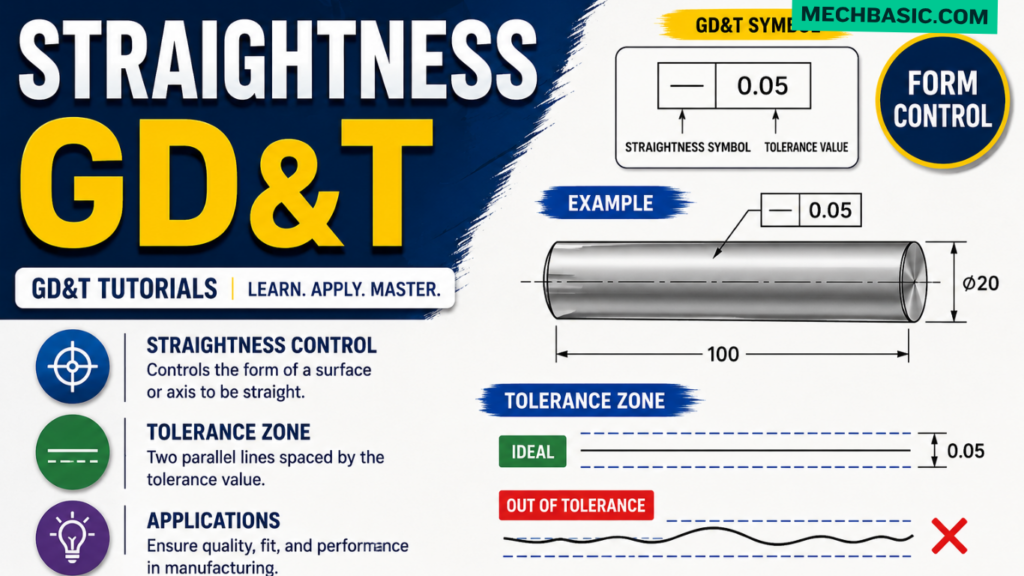
Straightness-GD&T | GD&T Tutorials
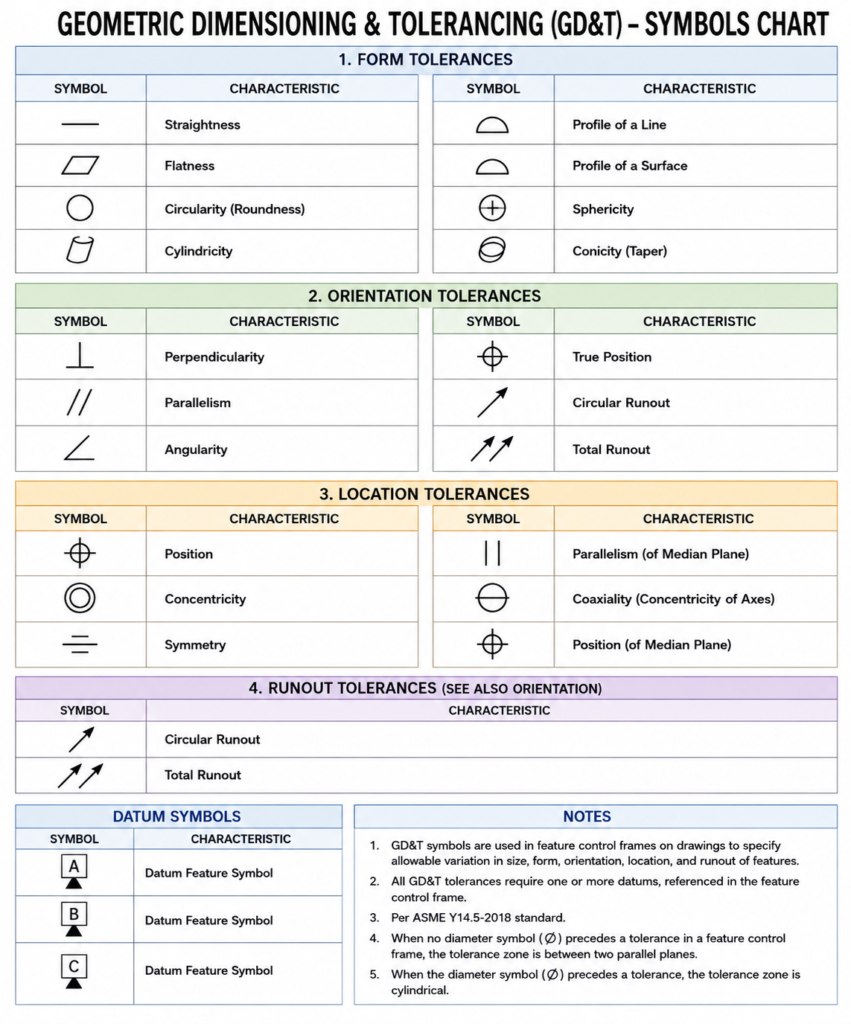
GD&T Symbols chart- Free download | GD&T
Geometric Dimensioning and Tolerancing (GD&T) is a standardized system used in engineering drawings to define…
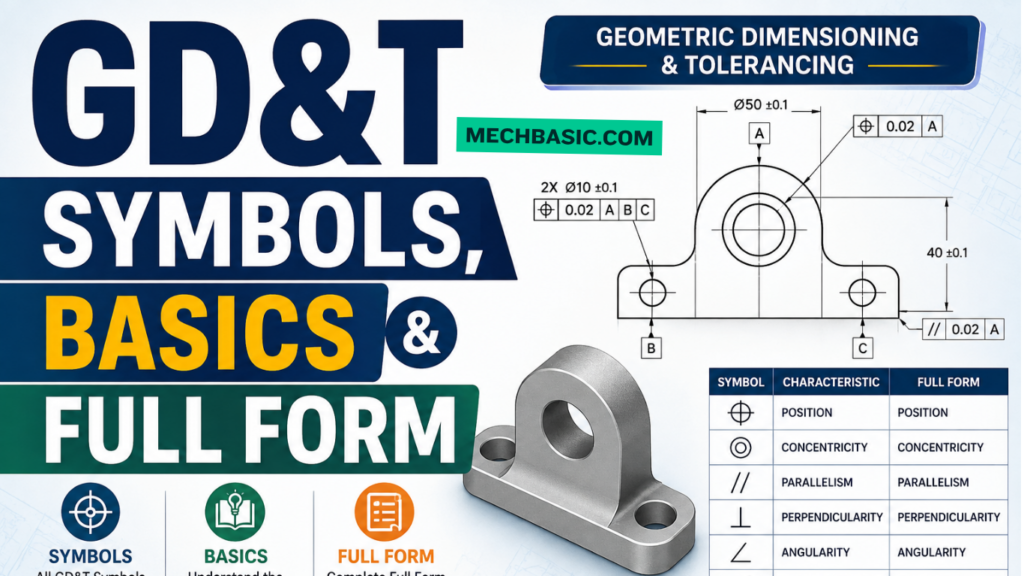
GD&T Symbols, Basics and full form
Can I convert a DXF to STL?
Can I convert a DXF to STL? Can I Convert a DXF to STL? Yes,…
Categories: