Key Takeaways:
CAD in medical terms, it usually stands for Coronary Artery Disease. Where as in Mechanical , CAD Stands for Computer Aided Design.
What is CAD(Mechanical):
CAD Mechanical is specialized CAD software used to design mechanical components, machines, and manufacturing assemblies with high precision. It provides tools for 2D drafting, 3D modeling, and standard mechanical design features to improve engineering productivity.
What is CAD (Medical):
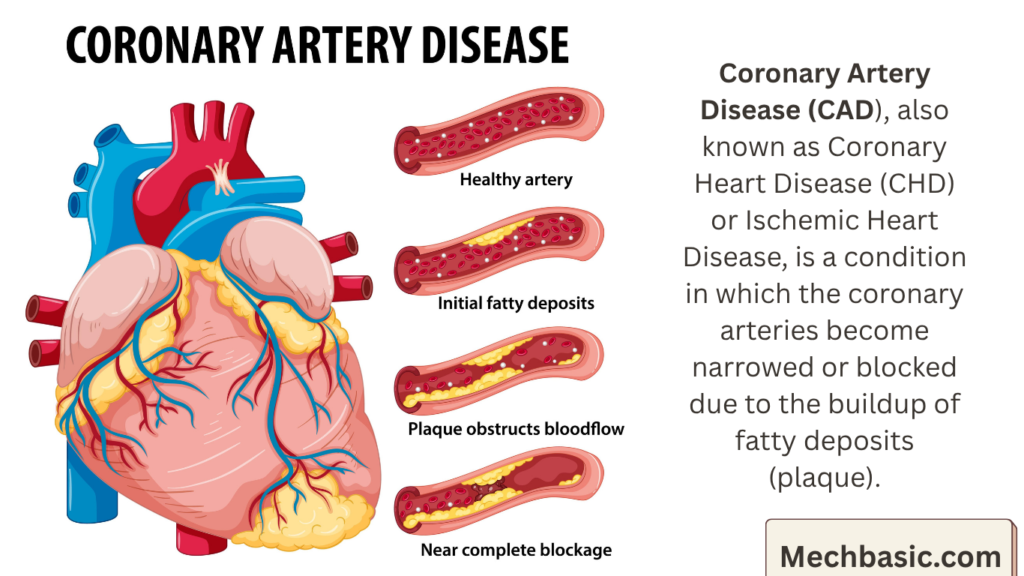
Coronary Artery Disease (CAD) is a heart condition in which the coronary arteries become narrowed or blocked due to the buildup of fatty deposits (plaque). This reduces blood flow to the heart muscle, increasing the risk of chest pain (angina), heart attack, and other cardiovascular complications.
Causes of CAD:
CAD is mainly caused by atherosclerosis, a condition in which cholesterol and fatty deposits accumulate inside the coronary arteries. Risk factors include high blood pressure, high cholesterol, smoking, diabetes, obesity, physical inactivity, and family history.
Symptoms of CAD:
Common symptoms include chest pain (angina), shortness of breath, fatigue, pain in the shoulders or arms, and, in severe cases, a heart attack. Some people may have no symptoms until the disease becomes advanced.
Diagnosis of CAD:
CAD is diagnosed using medical history, physical examination, ECG (Electrocardiogram), stress tests, echocardiography, coronary angiography, CT coronary angiogram, and blood tests.
Treatment of CAD:
Treatment includes lifestyle changes, medications (such as statins, aspirin, and beta-blockers), angioplasty with stent placement, or coronary artery bypass grafting (CABG) for severe blockages.
Prevention of CAD:
CAD can be prevented by maintaining a healthy diet, exercising regularly, avoiding smoking, controlling blood pressure and cholesterol, managing diabetes, reducing stress, and undergoing regular health check-ups.
In this article:
What is CAD in Medical Terms?
Coronary Artery Disease (CAD), also known as Coronary Heart Disease (CHD) or Ischemic Heart Disease, is a condition in which the coronary arteries become narrowed or blocked due to the buildup of fatty deposits (plaque). This reduces blood flow and oxygen supply to the heart muscle, increasing the risk of chest pain, heart attack, heart failure, and other cardiovascular complications.
Symptoms
Symptoms of CAD vary depending on the severity of the blockage. Some people may not experience symptoms until the disease becomes advanced.
- Chest pain (Angina): Pressure, tightness, heaviness, or pain in the chest, especially during physical activity or emotional stress.
- Shortness of breath: Difficulty breathing due to reduced blood flow to the heart.
- Pain radiating to other areas: Pain may spread to the shoulders, arms (especially the left arm), neck, jaw, or back.
- Fatigue: Persistent tiredness, particularly during physical exertion.
- Dizziness or lightheadedness: Caused by reduced blood supply.
- Nausea and sweating: More common during a heart attack.
- Heart attack symptoms: Severe chest pain, sweating, nausea, shortness of breath, and fainting. Immediate medical attention is required.
Diagnosis
Doctors diagnose CAD using a combination of medical history, physical examination, and diagnostic tests.
1. Medical History and Physical Examination
- Evaluation of symptoms and risk factors
- Blood pressure and heart examination
2. Electrocardiogram (ECG/EKG)
- Measures the electrical activity of the heart
- Detects abnormal heart rhythms and evidence of previous heart attacks
3. Blood Tests
- Measure cholesterol and blood sugar levels
- Detect heart muscle damage using cardiac biomarkers (e.g., troponin)
4. Stress Test
- Evaluates heart function during exercise or medication-induced stress
- Helps identify reduced blood flow to the heart
5. Echocardiogram
- Uses ultrasound to assess heart structure and pumping function
6. Coronary CT Angiography (CTA)
- Produces detailed images of coronary arteries
- Detects narrowing or blockage
7. Coronary Angiography
- The gold standard for diagnosing CAD
- Uses contrast dye and X-rays to identify blocked arteries
Treatment
Treatment depends on the severity of the disease and aims to improve blood flow, relieve symptoms, and prevent complications.
1. Lifestyle Changes
- Eat a heart-healthy diet rich in fruits, vegetables, and whole grains
- Exercise regularly (about 150 minutes of moderate activity per week)
- Maintain a healthy weight
- Quit smoking
- Limit alcohol intake
- Manage stress
2. Medications
- Antiplatelet drugs: Reduce blood clot formation.
- Statins: Lower cholesterol levels.
- Beta-blockers: Reduce the heart’s workload.
- ACE inhibitors/ARBs: Help control blood pressure and protect the heart.
- Nitrates: Relieve chest pain by widening blood vessels.
- Calcium channel blockers: Improve blood flow and reduce blood pressure.
3. Medical Procedures
- Percutaneous Coronary Intervention (PCI): Balloon angioplasty and stent placement to open blocked arteries.
- Coronary Artery Bypass Grafting (CABG): Surgery that creates a new pathway around blocked arteries using healthy blood vessels.
Prevention
CAD can often be prevented or its progression slowed by controlling risk factors.
- Eat a balanced, low-fat, low-salt diet.
- Exercise regularly.
- Avoid smoking and tobacco products.
- Maintain healthy blood pressure, cholesterol, and blood sugar levels.
- Achieve and maintain a healthy body weight.
- Limit alcohol consumption.
- Manage stress through relaxation techniques and adequate sleep.
- Have regular medical checkups, especially if you have diabetes, hypertension, or a family history of heart disease.
Conclusion
Coronary Artery Disease is one of the leading causes of heart-related illness and death worldwide, but it is largely preventable and treatable. Early diagnosis, healthy lifestyle choices, appropriate medications, and timely medical procedures can significantly reduce complications and improve quality of life. Regular health checkups and effective management of risk factors are essential for maintaining long-term heart health.
Latest articles:

Best Budget Workstation Laptops for SolidWorks and Heavy 3D Assembly Modeling
Best Budget Workstation Laptops for SolidWorks and Heavy 3D Assembly Modeling Overview What Does SOLIDWORKS…

SolidWorks Standard vs Professional vs Premium: Full Feature Comparison
SolidWorks Standard vs Professional vs Premium: Full Feature Comparison Overview: SOLIDWORKS Package Overview SOLIDWORKS comes…

SolidWorks 2026 License Cost: Perpetual vs Subscription Pricing Breakdown
SolidWorks 2026 License Cost: Perpetual vs Subscription Pricing Breakdown Overview: SOLIDWORKS 2026 License Options SOLIDWORKS…

Flatness-GD&T | GD&T Tutorials

ANSI vs ISO Standards-Key Differences you need to know
Straightness-GD&T | GD&T Tutorials
Categories: