
What does SPC mean in quality control?
SPC stands for Statistical Process Control.It is a quality control method that uses statistical tools to monitor and control processes.SPC […]
SPC stands for Statistical Process Control.It is a quality control method that uses statistical tools to monitor and control processes.SPC […]
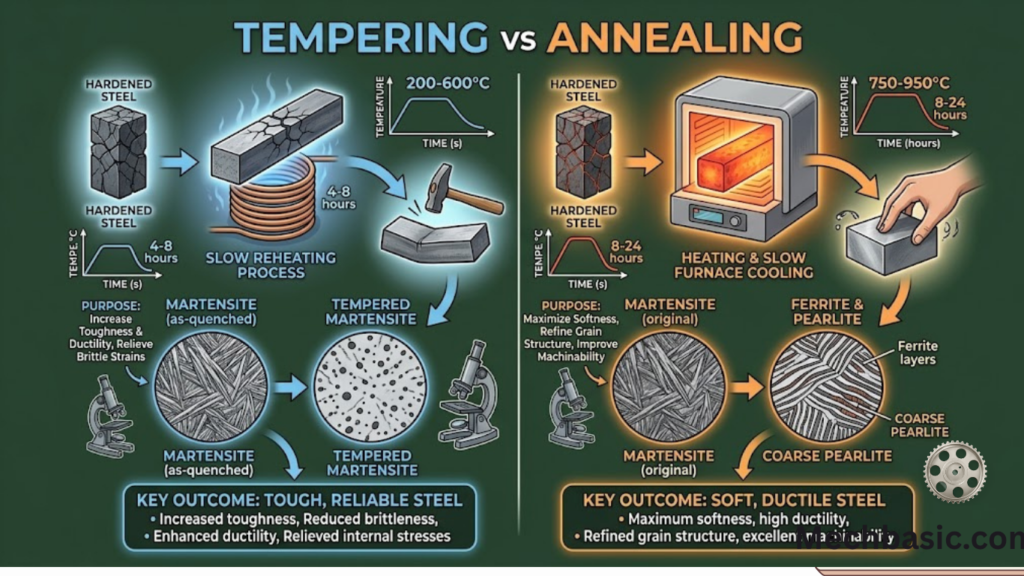
Tempering is performed after hardening to reduce brittleness and improve toughness.Annealing softens metal by heating and slow cooling to relieve
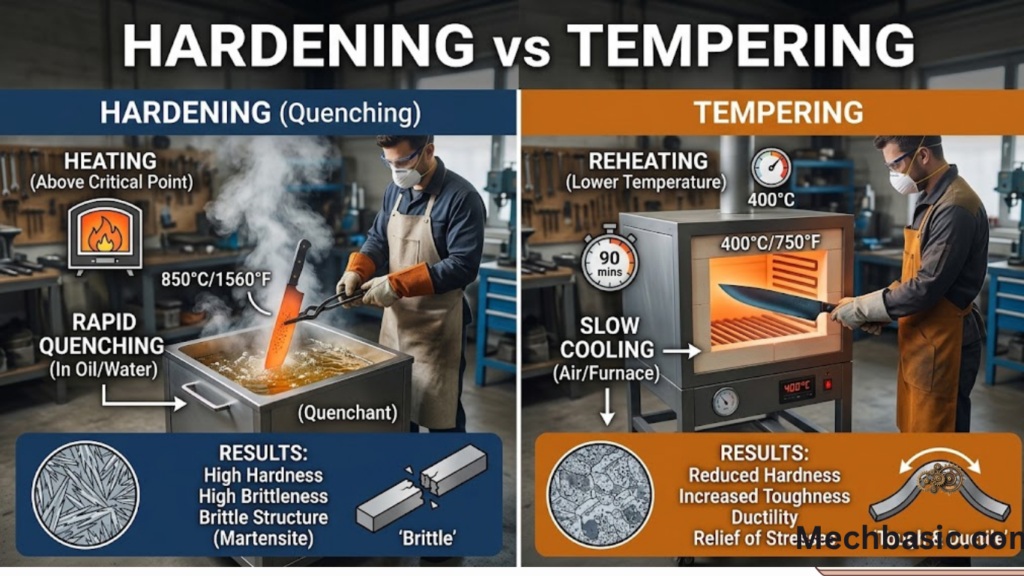
Hardening increases the hardness and strength of metal by heating and rapid cooling.Tempering is done after hardening to reduce brittleness
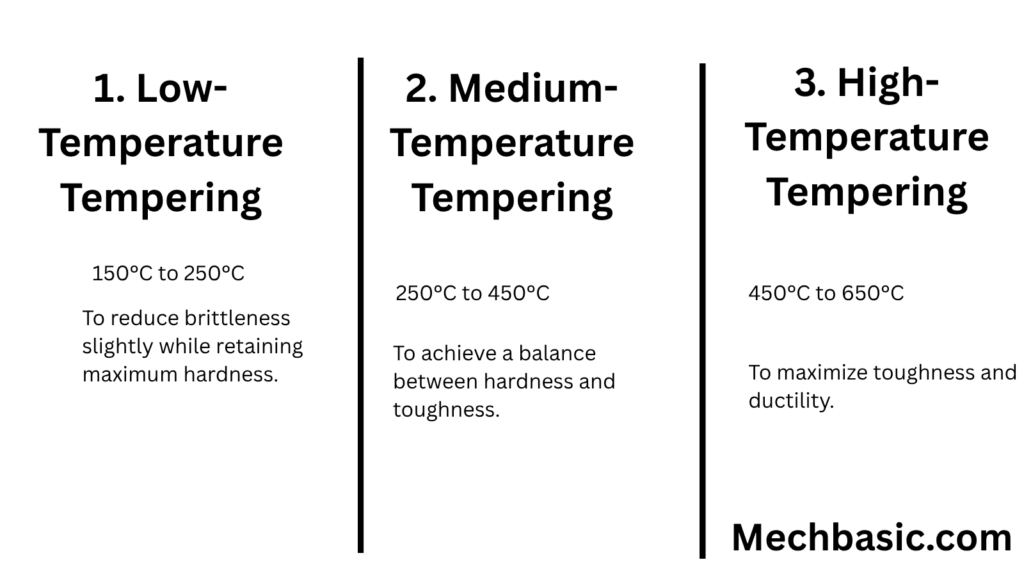
The three types of tempering are low-temperature, medium-temperature, and high-temperature tempering.They are selected based on the required hardness, strength, and
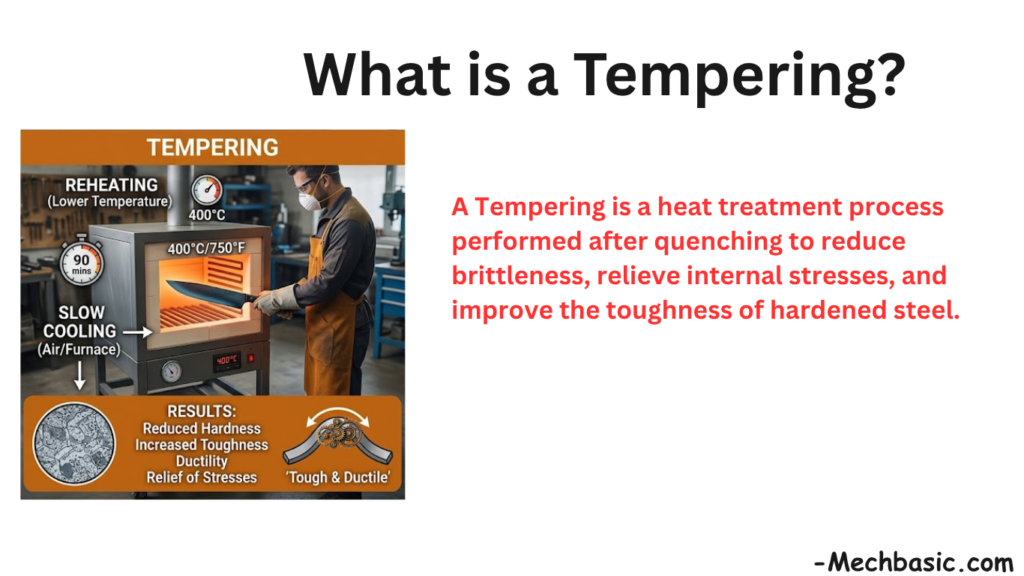
Tempering is a heat treatment process performed after hardening or quenching.The metal is reheated to a controlled temperature and then

BMWs can rust, but they are designed with strong corrosion protection systems.BMW uses galvanized steel, protective coatings, and high-quality paint
Japanese cars can rust, but many are designed with good corrosion protection.Manufacturers use galvanized steel, protective coatings, and improved paint
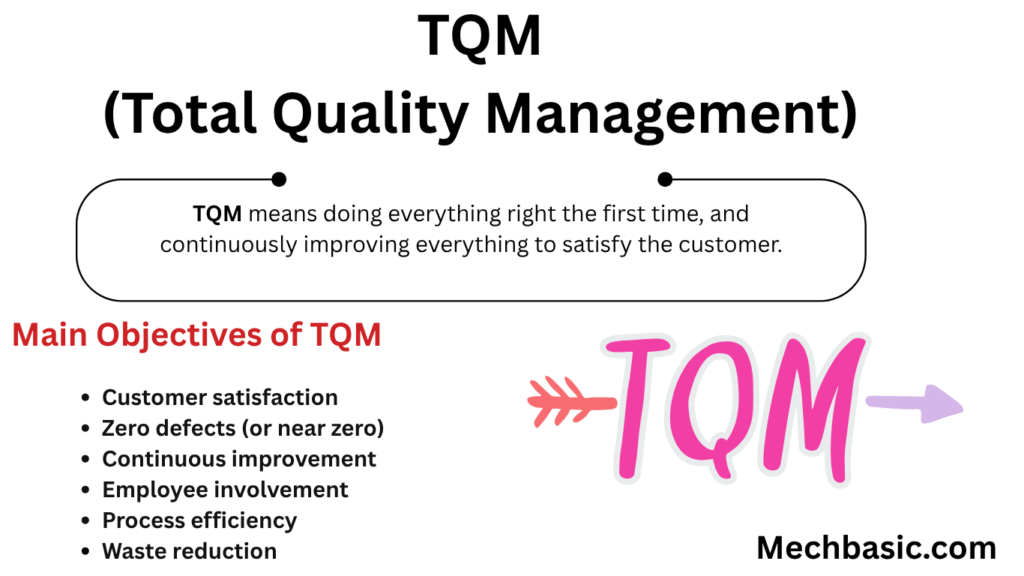
TQM (Total Quality Management) is a management approach focused on continuous quality improvement in all processes.It involves all employees working
The four principles of TQM are customer focus, continuous improvement, employee involvement, and process approach.They ensure that quality is maintained
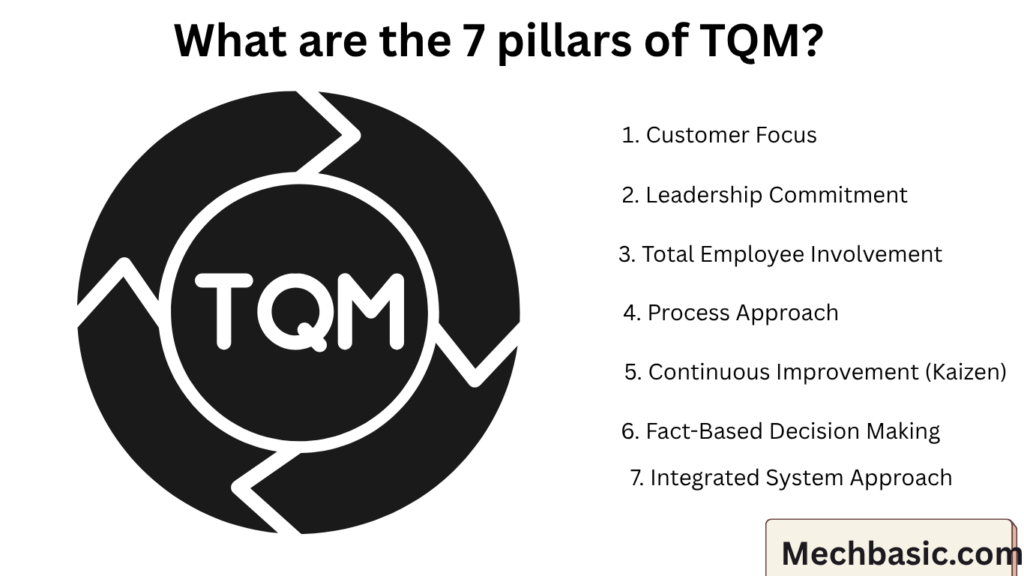
The 7 pillars of TQM are customer focus, leadership, employee involvement, process approach, system approach, continuous improvement, and factual decision




