Key Takeaways:
5 Important OSHA Standards
1. Fall Protection
Protect workers from falls by using guardrails, safety nets, personal fall-arrest systems, and other protective measures.
2. Hazard Communication
Ensure workers understand the hazards of chemicals through labels, Safety Data Sheets (SDS), and proper training.
3. Personal Protective Equipment (PPE)
Require appropriate PPE such as safety helmets, gloves, goggles, safety shoes, and protective clothing based on workplace hazards.
4. Respiratory Protection
Protect workers from harmful dust, fumes, gases, vapors, and other airborne contaminants through proper respiratory protection programs.
5. Lockout/Tagout (LOTO)
Prevent accidental startup or release of hazardous energy during maintenance by isolating and locking out machinery and equipment.
Key Takeaway
Fall Protection → Hazard Communication → PPE → Respiratory Protection → Lockout/Tagout (LOTO)
In this article:
What are the 5 OSHA Standards?
OSHA (Occupational Safety and Health Administration) has hundreds of workplace safety standards covering different industries. However, five of the most important and commonly applied OSHA standards are listed below.
1. Hazard Communication Standard (HCS)
OSHA Standard: 29 CFR 1910.1200
Purpose
Ensures that employees are informed about hazardous chemicals in the workplace.
Requirements
- Proper labeling of chemical containers
- Safety Data Sheets (SDS) available for all hazardous chemicals
- Employee training on chemical hazards
- Written Hazard Communication Program
Examples
- Paints
- Solvents
- Cleaning chemicals
- Acids
- Industrial gases
2. Personal Protective Equipment (PPE)
OSHA Standards: 29 CFR 1910 Subpart I
Purpose
Protects workers from workplace hazards through appropriate protective equipment.
Types of PPE
- Safety helmets
- Safety glasses
- Face shields
- Gloves
- Safety shoes
- Hearing protection
- Respirators
Employer Responsibilities
- Conduct hazard assessments
- Provide suitable PPE where required
- Train employees in proper use, maintenance, and limitations
3. Fall Protection
OSHA Standards:
- 29 CFR 1910 (General Industry)
- 29 CFR 1926 (Construction)
Purpose
Protect workers from falls, one of the leading causes of workplace injuries and fatalities.
Common Protection Methods
- Guardrails
- Safety nets
- Personal fall arrest systems
- Warning lines
- Covers over floor openings
Typical Workplaces
- Construction sites
- Rooftops
- Elevated platforms
- Scaffolds
4. Lockout/Tagout (LOTO)
OSHA Standard: 29 CFR 1910.147
Purpose
Prevents the unexpected startup of machines or release of hazardous energy during servicing or maintenance.
Requirements
- Isolate energy sources
- Lock and tag energy-isolating devices
- Verify equipment is de-energized before work begins
- Train authorized and affected employees
Energy Sources Covered
- Electrical
- Mechanical
- Hydraulic
- Pneumatic
- Thermal
- Chemical
5. Respiratory Protection
OSHA Standard: 29 CFR 1910.134
Purpose
Protects workers from inhaling harmful airborne contaminants.
Requirements
- Respirator selection based on hazard
- Medical evaluation for users
- Fit testing
- Employee training
- Respirator maintenance and inspection
- Written respiratory protection program
Examples
- Dust
- Toxic fumes
- Vapors
- Mists
- Gases
Summary Table
| OSHA Standard | OSHA Citation | Main Purpose |
|---|---|---|
| Hazard Communication | 29 CFR 1910.1200 | Inform workers about hazardous chemicals |
| Personal Protective Equipment (PPE) | 29 CFR 1910 Subpart I | Protect workers from workplace hazards |
| Fall Protection | 29 CFR 1910 & 1926 | Prevent fall-related injuries |
| Lockout/Tagout (LOTO) | 29 CFR 1910.147 | Control hazardous energy during maintenance |
| Respiratory Protection | 29 CFR 1910.134 | Protect workers from airborne hazards |
Why These Standards Matter
Together, these five OSHA standards help employers:
- Prevent workplace injuries and illnesses.
- Ensure employees understand workplace hazards.
- Reduce accidents involving machinery and hazardous energy.
- Protect workers from falls, chemical exposure, and respiratory risks.
- Comply with U.S. workplace safety regulations.
These standards are among the most widely implemented across industries such as manufacturing, construction, healthcare, warehousing, and chemical processing.
OSHA Official Law and Regulations Page: The definitive federal gateway to search the full text of all general industry, construction, and maritime regulations.
Latest articles:
Flatness-GD&T | GD&T Tutorials

ANSI vs ISO Standards-Key Differences you need to know
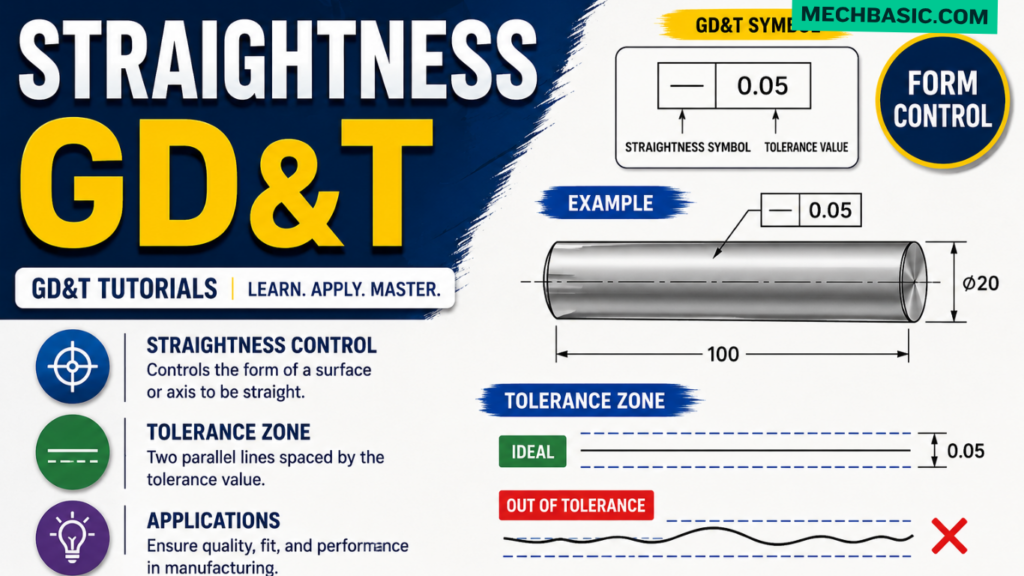
Straightness-GD&T | GD&T Tutorials
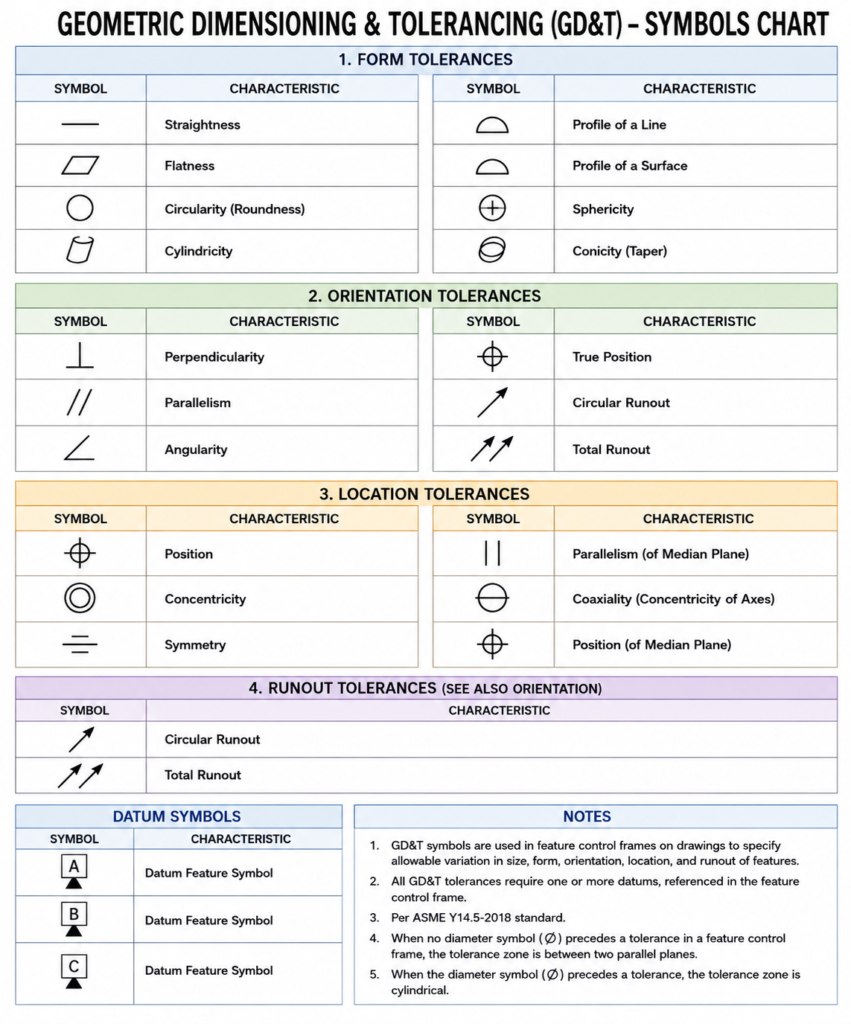
GD&T Symbols chart- Free download | GD&T
Geometric Dimensioning and Tolerancing (GD&T) is a standardized system used in engineering drawings to define…
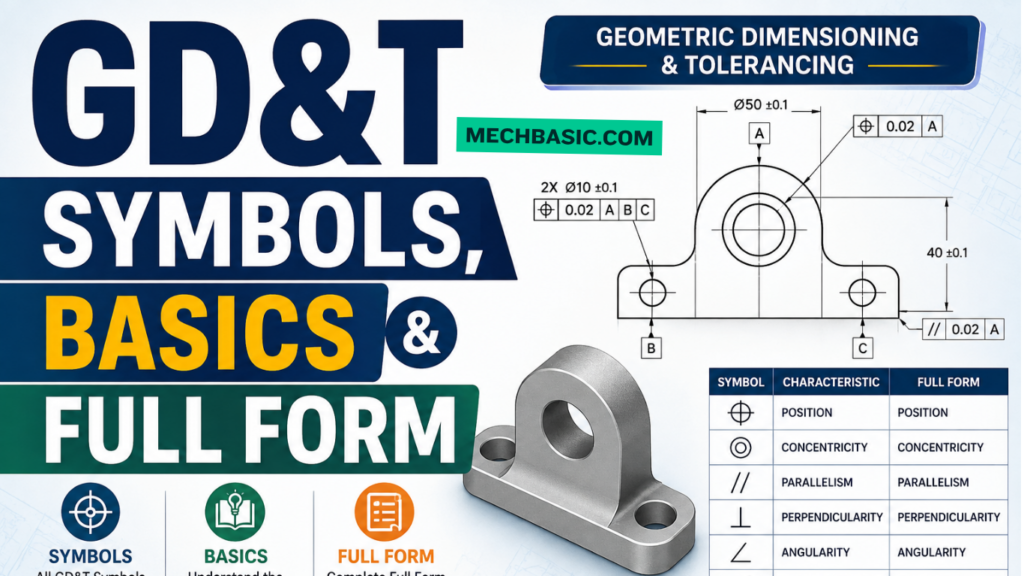
GD&T Symbols, Basics and full form

Can I convert a DXF to STL?
Can I convert a DXF to STL? Can I Convert a DXF to STL? Yes,…
Categories: