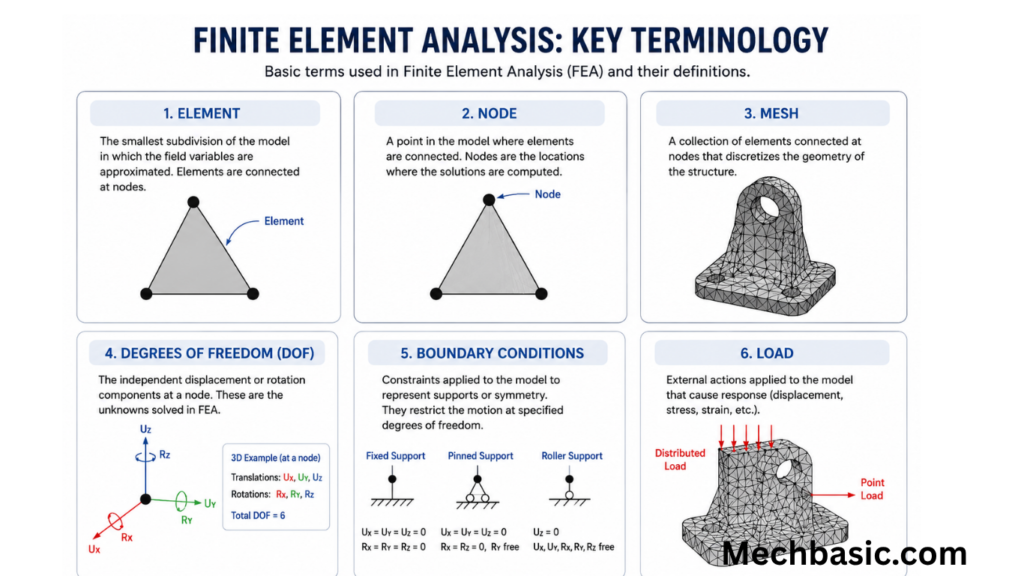
Introduction to Finite Element Analysis (FEA) for Engineers
Finite Element Analysis (FEA) is a computer-based method used to analyze the behavior of engineering components under different loads.It divides […]

Finite Element Analysis (FEA) is a computer-based method used to analyze the behavior of engineering components under different loads.It divides […]
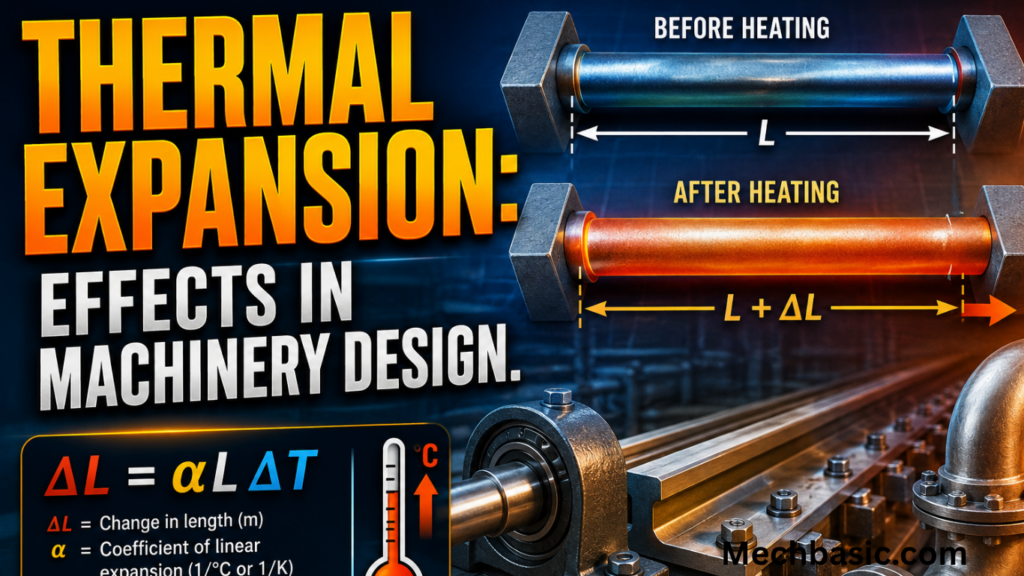
Thermal expansion is the increase in the size of a material when its temperature rises.In machinery, it can cause misalignment,
Tribology is the study of friction, wear, and lubrication between surfaces in contact.It helps reduce friction and wear by using
Preventive maintenance is performed at scheduled intervals to reduce the risk of equipment failure.Predictive maintenance uses sensors and data analysis
Failure analysis is the process of identifying the causes of mechanical component failures.Common causes include fatigue, corrosion, wear, overload, and
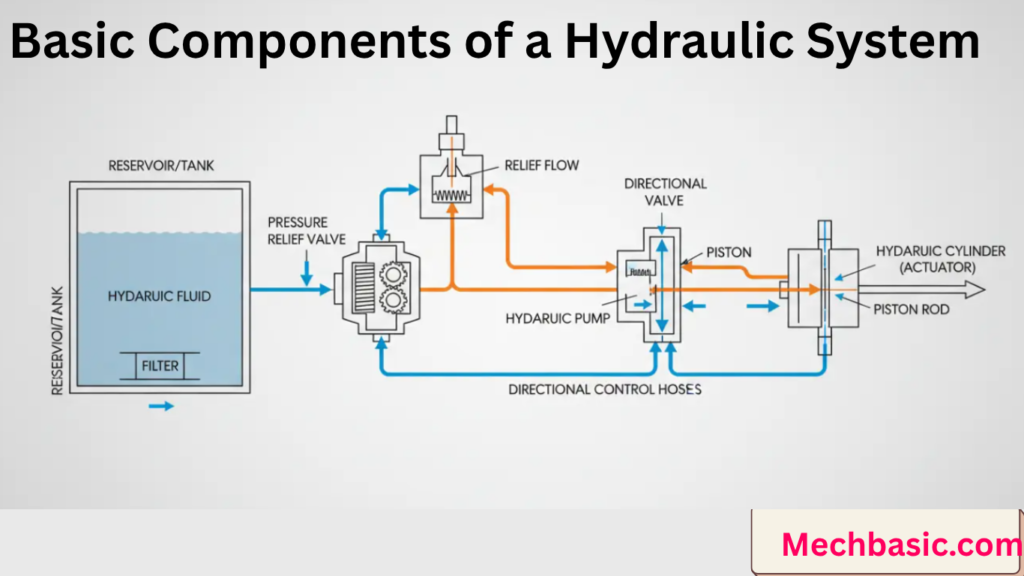
Hydraulics use pressurized liquids, while pneumatics use compressed air to transmit power and control machines.They are widely used in manufacturing,
Mechanical engineers design, develop, test, and improve products to meet performance and safety requirements.They use CAD software, simulations, and prototypes

Prepare by reviewing mechanical engineering fundamentals, technical concepts, and common interview questions.Practice explaining your projects, internships, and problem-solving skills with

Green energy technologies use renewable sources such as solar, wind, hydro, and geothermal to generate clean power.Future trends include advanced
Smart factories use connected machines, sensors, and data systems to automate and optimize manufacturing processes. Industry 4.0 combines technologies such