
As autonomous driving technology rapidly evolves, several automakers now offer advanced systems that assist with steering, braking, and highway driving, but true self-driving remains rare.
Among production vehicles, systems like Mercedes-Benz Drive Pilot stand out because they achieve SAE Level 3 autonomy, allowing hands-off driving under specific conditions on certain highways.
Other leading systems, such as General Motors’ Super Cruise and Tesla’s Autopilot/FSD, provide sophisticated hands-free driving assistance (Level 2) that still requires driver attention but cover wide mapped road networks.
Cadillac’s Super Cruise has ranked highly in safety evaluations for offering reliable lane-centering and adaptive cruise control features. Despite impressive consumer features today, fully autonomous (Level 4/5) cars are mostly limited to robotaxi services like Waymo, not yet widely available for private ownership.
Top Cars / Systems with Advanced Autonomous or Driver-Assist Capabilities
Here are some of the leading systems in cars today (or very recently) and which vehicles use them:
- GM — Super Cruise / Ultra Cruise
- Ford — BlueCruise
- Tesla — Autopilot / Full Self-Driving (FSD)
- Mercedes — Drive Pilot
- XPeng — XNGP (China)
- IM Motors — IM L7 Intelligent Driving
Comparison and Analysis
1. GM Super Cruise / Ultra Cruise
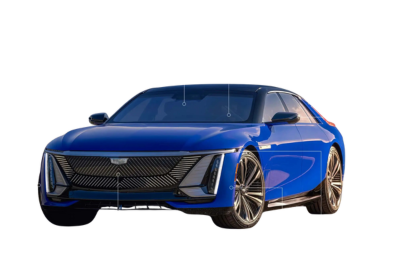
What it is / How it works:
- Designed for hands-free driving on pre-mapped highways.
- Uses a driver-facing camera to ensure the driver is paying attention.
- Supports automatic lane change (on some models) and mapped “Super Cruise” highways.
- GM is working on a next-gen “eyes-off” version (i.e., driver’s eyes do not need to remain on road) with LiDAR + radar + camera.
Strengths:
- Very mature and tested system.
- Excellent safety profile: Consumer Reports rated it higher than Tesla’s Autopilot in some tests.
- Strong mapping network — covers many highways.
- Well-integrated into GM vehicles (Cadillac, Chevrolet, GMC, Buick).
Limitations:
- Only works on pre-mapped highways, not city streets.
- Requires Super Cruise subscription for some models.
- Not “full self-driving”; driver still must be ready to take over in non-supported areas.
Best for: Highway drivers who want reliable, hands-free cruising without relying on pure “self-driving” claims.
2. Ford BlueCruise
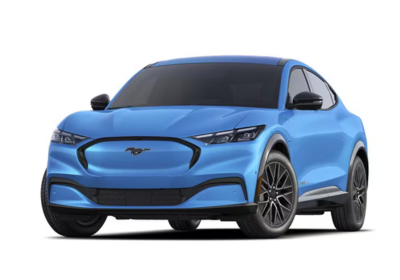
What it is / How it works:
- Hands-free driving on “Blue Zones” (mapped highways).
- Uses a driver-facing camera to ensure driver attention.
- With version 1.4 (2025), Ford claims much longer hands-free duration, better lane centering, tighter curve handling, etc.
Strengths:
- Very competitive with Super Cruise.
- OTA (over-the-air) updates for improvements.
- Available on several Ford models (EVs, trucks) → good spread.
Limitations:
- Still limited to mapped highways.
- Not a true Level 4/5 autonomy: driver must remain ready.
Best for: Drivers who want a hands-free system on highways and already like Ford EVs or trucks.
3. Tesla Autopilot / Full Self-Driving (FSD)
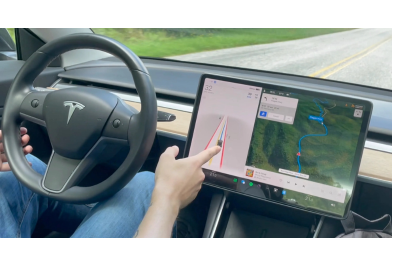
What it is / How it works:
- Autopilot: standard driver-assist (steering + speed) on highways and some roads.
- FSD: ambition for city streets, stop lights, complex driving, but still not fully autonomous. According to Glass.NET, FSD is around Level 2–3.
- Tesla relies mostly on vision (cameras) plus radar, not LIDAR.
- Continuous improvements via over-the-air updates.
Strengths:
- Very wide deployment; many Tesla owners are using and testing FSD features.
- Strong data collection (huge Tesla fleet) → lots of edge-case training.
- Useful for both highway and city (in theory) if FSD is enabled.
Limitations:
- Requires constant driver supervision (“hands-on” or “steer check-ins”).
- Safety concerns and regulatory scrutiny remain.
- According to IIHS, no strong real-world crash reduction from some autonomy systems.
- Still not “true self-driving”.
Best for: Tesla owners who want advanced driving assist, frequent OTA improvements, and are okay being part of a “beta” style of autonomy.
4. Mercedes Drive Pilot
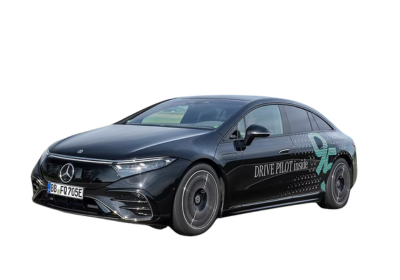
What it is / How it works:
- A more advanced system (claimed to be SAE Level 3) in some markets.
- Uses a mix of sensors (cameras, radar, etc.) to allow for hands-off driving under certain conditions.
Strengths:
- True “hands-off, eyes-off” capability in certified zones (depending on regulation).
- Very refined luxury experience (S-Class, EQS).
- High-quality sensor integration + strong safety focus.
Limitations:
- Very limited deployment and regulatory approval.
- Higher cost (premium vehicle).
- Only works under very specific conditions (speed, road type).
Best for: Luxury buyers who want the most advanced “almost autonomous” system legally available, especially on highways in approved areas.
5. XPeng P7 (XNGP)
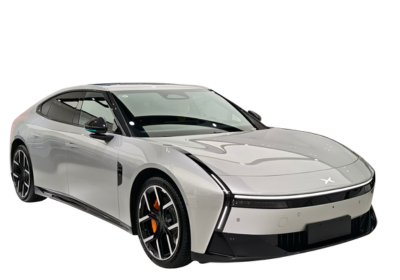
What it is / How it works:
- XPeng’s “Navigation Guided Pilot” (XNGP) is part of its XPILOT 3.0 system.
- Uses a sensor suite: 31 sensors total (cameras, radars, ultrasonic).
- Supports both freeway and some city-level driving.
Strengths:
- Quite advanced for a non-Western OEM.
- Good sensor coverage (multi-modal).
- Very competitive among Chinese EVs.
Limitations:
- Limited to China (or where XPeng sells).
- Map dependency and regulatory limits.
Best for: People in markets where XPeng is present (China, maybe Europe soon) who want very capable driving assist for a good price.
6. IM Motors (IM L7)
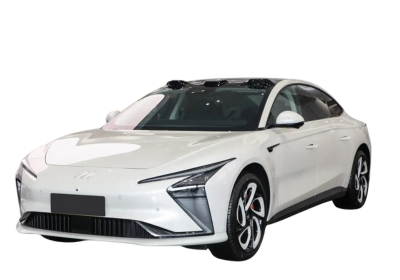
What it is / How it works:
- The IM L7 uses the IM AD system: 2 LiDARs, 11 cameras, 5 radars, 12 ultrasonic sensors.
- Enables autonomous driving on highways and semi-autonomous in urban areas.
- Also supports summon and automated parking.
Strengths:
- High sensor redundancy → good for safer perception.
- Ambitious system: highway + city.
- OTA updates, high computational power.
Limitations:
- Map dependency (initially limited to certain regions).
- Availability limited (brand is relatively new).
- Real-world long-term reliability still building.
Best for: EV buyers in China (or IM’s markets) who want very high-level assist and a futuristic autonomous experience.
Conclusion:
- For mature, safe highway hands-free capability: GM Super Cruise is the most proven and well-rated.
- For a strong, widely available driver-assist with Tesla: Tesla FSD / Autopilot is powerful but requires caution.
- For luxury and cutting-edge L3 features: Mercedes Drive Pilot is one of the most advanced but only in very specific areas.
- For a cost-effective, highly capable system in China: XPeng P7 (XNGP) and IM L7 are standout options.
So, the “best” depends on your region, driving style, and how much autonomy you want.
Other courses:





