
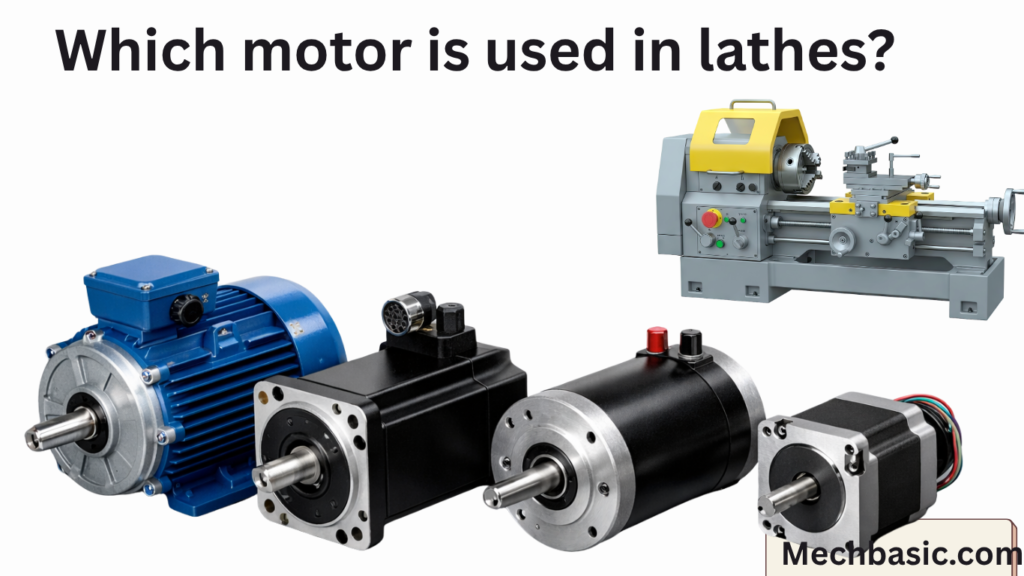
Which motor is used in lathes?
Lathe machines commonly use electric motors to drive the spindle and cutting operations.Most industrial lathes use three-phase induction motors for […]
Lathe machines commonly use electric motors to drive the spindle and cutting operations.Most industrial lathes use three-phase induction motors for […]
Arc welding is a process that uses an electric arc to melt and join metals.The arc forms between an electrode
No, TIG welding cannot be done effectively without argon or another inert shielding gas.The gas protects the weld from air
TIG welding primarily uses argon as the shielding gas.Argon protects the weld area from contamination, prevents oxidation, and ensures a
A main disadvantage of TIG welding is that it is slow and requires high skill.It takes more time to set
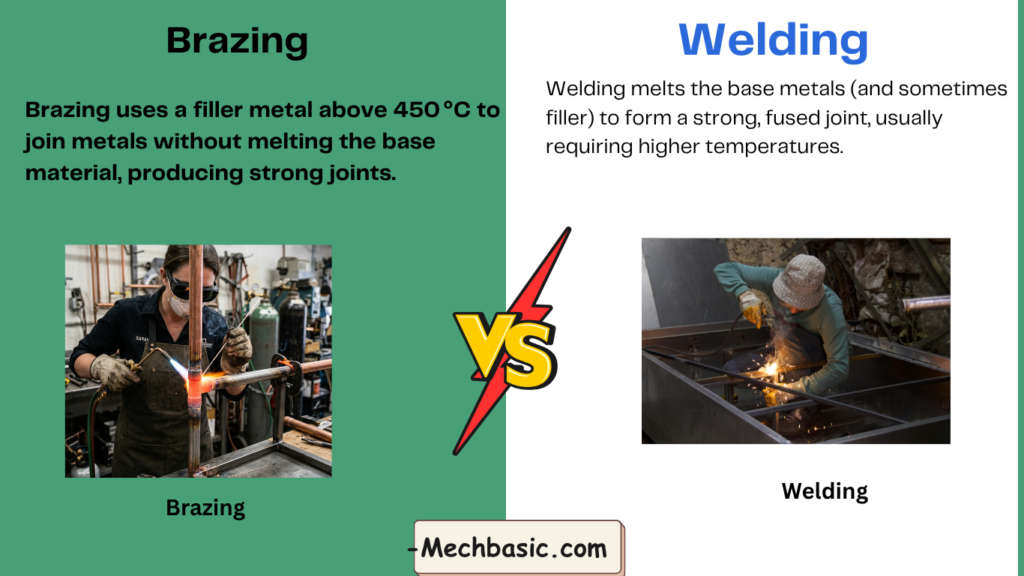
Brazing and welding are both metal-joining processes but differ significantly: In this article: Brazing vs Welding-10 Differences you need to
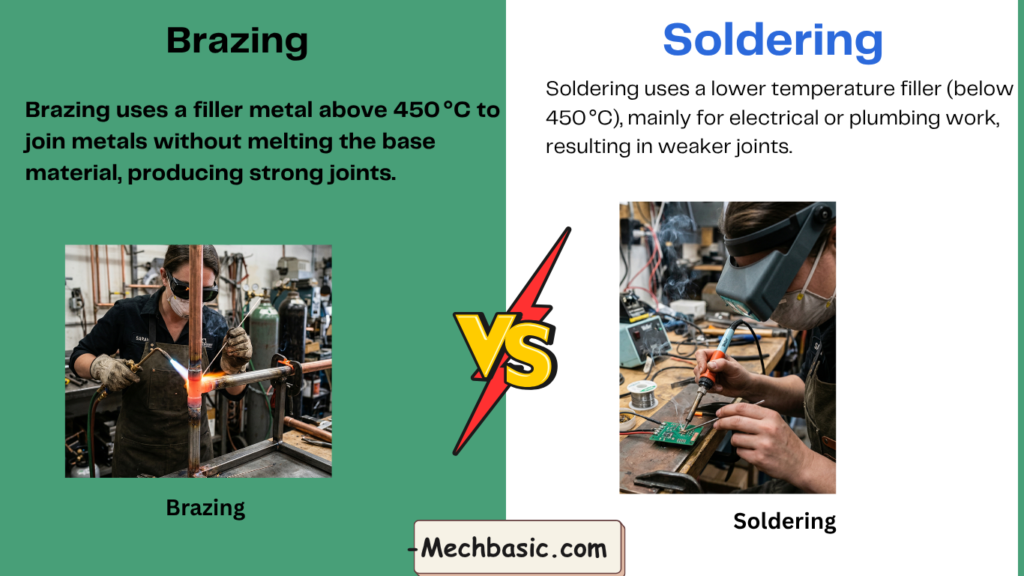
The main difference between brazing and soldering is temperature and joint strength: In this article: 10 Differences Between Brazing Vs
Spot welding creates a permanent joint between metal sheets.The metals are fused together at specific points, forming a strong, lasting
Spot welding typically uses DC (Direct Current) because it provides a stable and controllable arc for consistent heat.Some machines can
Spot welding hazards include electric shock, burns from hot metal, UV radiation, and eye injuries from sparks.Fumes from metals like




