
Why is tempering required after quenching?
Tempering is required after quenching to reduce the brittleness caused by rapid cooling.It relieves internal stresses and improves toughness of […]

Tempering is required after quenching to reduce the brittleness caused by rapid cooling.It relieves internal stresses and improves toughness of […]
A common example of quenching is heating a steel tool until it becomes red hot.The hot steel is then rapidly
Quenching oil is generally the best oil for quenching steel because it provides controlled cooling.It reduces the risk of cracking
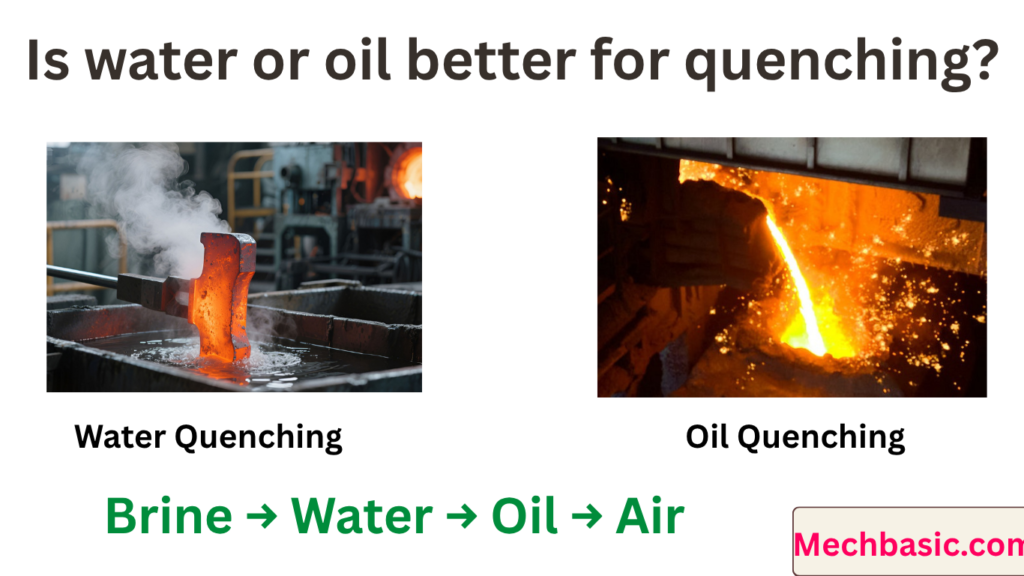
Water quenching cools metal faster and produces higher hardness.Oil quenching cools more slowly, reducing the risk of cracking and distortion.The
Low-carbon (mild) steel cannot be significantly hardened by heat treatment.It contains too little carbon to form a hard martensitic structure
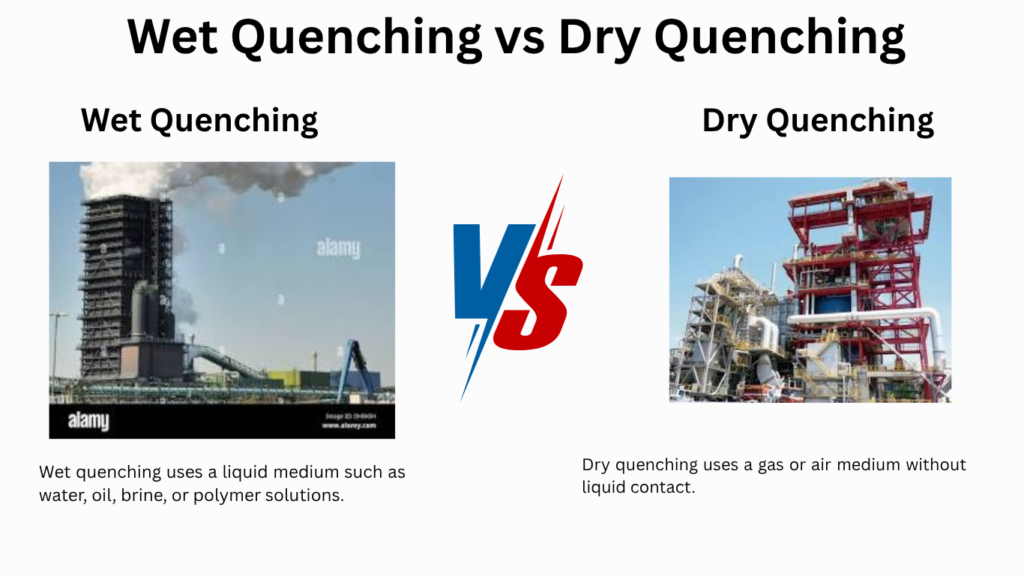
Wet quenching uses liquids such as water, oil, or brine to cool the heated metal rapidly.Dry quenching uses air or
The cheapest way to harden steel is usually water quenching after heating the steel to its hardening temperature.Water is inexpensive
Gold, platinum, and titanium do not rust because they are highly resistant to corrosion.Rust specifically refers to the corrosion of
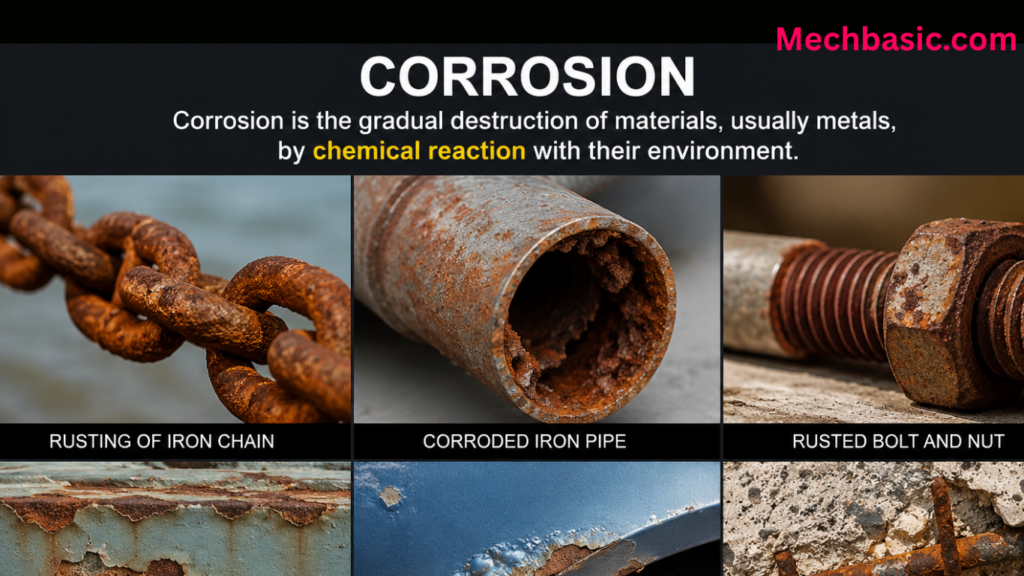
Corrosion is the gradual deterioration of a metal due to chemical reactions with its environment.It can be caused by moisture,
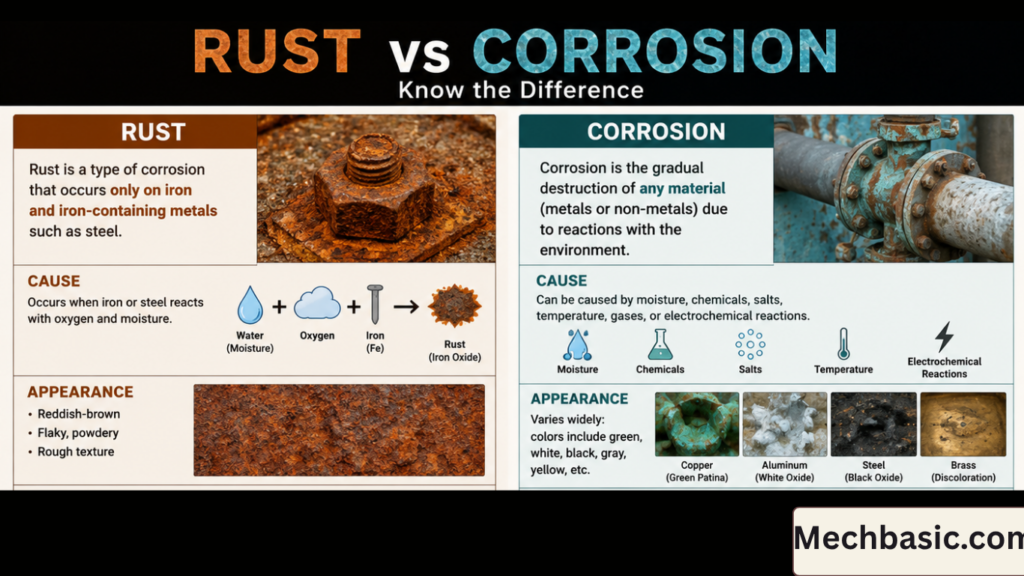
Rust is a specific type of corrosion that occurs on iron and steel.Corrosion is the general deterioration of any metal




