
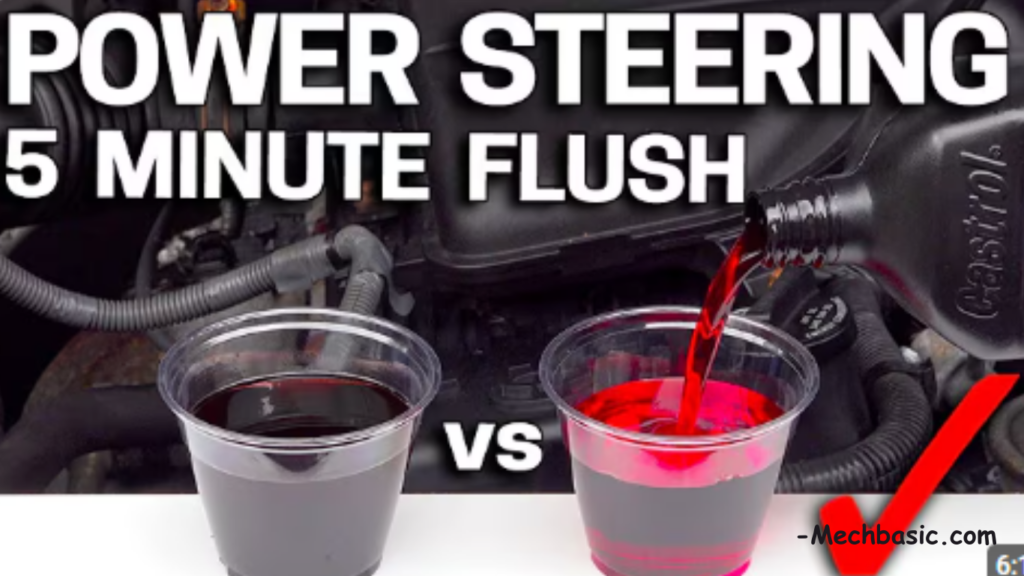
Flushing your power steering fluid is a crucial maintenance step that helps remove old, contaminated fluid and replace it with fresh fluid, ensuring smooth and responsive steering. Over time, power steering fluid can accumulate dirt, metal particles, and other debris, which can cause noise, stiffness, or even damage to the steering system. Knowing how to properly flush the system can extend the life of your power steering components and maintain optimal performance.
Flushing power steering fluid is a more thorough process than a simple fluid top-up—it removes almost all old fluid, contaminants, and air, leaving the system clean. Here’s a detailed, step-by-step guide including safety tips, tools, and methods.
In this article:
How to flush power steering fluid?
Flushing power steering fluid is a more thorough process than a simple fluid top-up—it removes almost all old fluid, contaminants, and air, leaving the system clean.
1. Confirm the Correct Fluid
Before starting, check the owner’s manual or reservoir cap for the recommended fluid type:
- Standard power steering fluid (clear/amber)
- Automatic Transmission Fluid (ATF) – red for some older vehicles
- Synthetic hydraulic fluid (green – CHF 11S/CHF 202) for some European vehicles
⚠️ Never mix fluid types.
2. Tools & Supplies
- Correct power steering fluid (1–2 liters or quarts)
- Turkey baster or fluid syringe (optional)
- Catch pan
- Clear hose (3–6 ft)
- Funnel
- Jack & jack stands (if needed)
- Hose clamps or pliers
- Rags & gloves
- Safety glasses
3. Preparation
- Park the car on a level surface.
- Turn the engine off and let it cool.
- Raise the front of the vehicle if needed to access hoses.
- Place a catch pan under the steering rack or reservoir.
4. Two Main Methods to Flush Power Steering Fluid
Method 1: Basic Drain & Refill (Partial Flush)
✔ Replaces ~40–60% of fluid
✔ Quick, simple, no hose disconnection needed
Steps:
- Remove the reservoir cap.
- Use a turkey baster to remove as much old fluid as possible.
- Refill with new fluid to the COLD MAX line.
- Start engine and turn steering wheel lock-to-lock 10–15 times.
- Stop engine, let bubbles settle, check fluid, and top off.
- Repeat for a cleaner flush if desired.
Method 2: Full Flush (Professional-Level)
✔ Replaces nearly 100% of old fluid
✔ Best for contaminated or dark fluid
Steps:
Step 1: Locate the return hose
- Usually the smaller hose from rack to reservoir (not high-pressure line)
Step 2: Disconnect the return hose
- Clamp or cap reservoir port to prevent spills
- Place hose end in catch pan
Step 3: Add new fluid
- Fill reservoir with fresh fluid
Step 4: Circulate old fluid
- Have a helper start the engine
- Slowly turn steering wheel left to right
- Old fluid will flow out of return hose into pan
Step 5: Continue adding fluid
- Never let the reservoir run dry
- Keep adding new fluid until clean fluid flows out
Step 6: Reconnect return hose
- Secure clamp
- Top off reservoir
Step 7: Bleed the system
- With engine running, turn wheel lock-to-lock 10–15 times
- Check for foam or air bubbles
- Top off to correct level
5. Bleeding Tips
- Move steering slowly, don’t hold full lock for long
- Stop if fluid foams or bubbles
- Let air bubbles settle before continuing
- Repeat lock-to-lock a few times if necessary
6. Signs Your Power Steering Fluid Needs Flushing
- Dark brown or black fluid
- Foam or bubbles in the reservoir
- Whining noise when turning
- Jerky or stiff steering
7. Safety & Cleanup
- Wear gloves and eye protection
- Keep rags handy for spills
- Dispose of old fluid at a recycling center
- Avoid mixing with engine oil or brake fluid
8. Common Mistakes to Avoid
❌ Letting reservoir run dry
❌ Overfilling
❌ Using the wrong fluid type
❌ Not bleeding air properly
❌ Forgetting to check for leaks afterward
9. After Flush Checklist
- Check fluid level after engine has run and cooled.
- Inspect for leaks at hoses, pump, and rack.
- Test drive at low speeds to ensure smooth steering.
- Recheck fluid level after 50–100 km (30–60 miles).
10. Quick Summary
| Task | Best Method |
|---|---|
| Routine maintenance | Drain & refill |
| Old/contaminated fluid | Full flush |
| Fluid foamy or dark | Full flush |
| Steering stiff after fluid change | Bleed air lock |
Other courses:





