
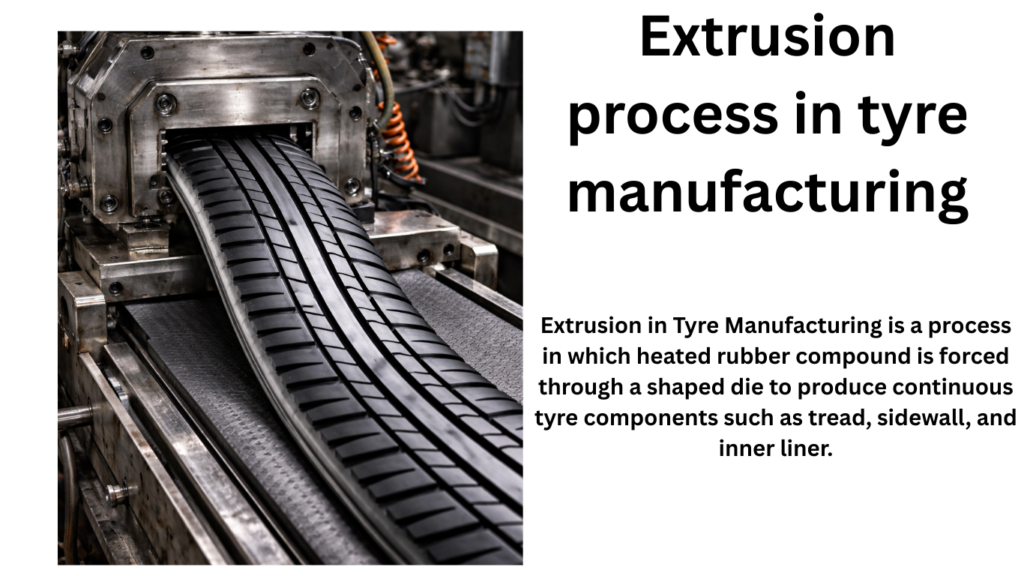
Extrusion process in tyre manufacturing
Extrusion in Tyre Manufacturing is a process in which heated rubber compound is forced through a shaped die to produce […]

Extrusion in Tyre Manufacturing is a process in which heated rubber compound is forced through a shaped die to produce […]
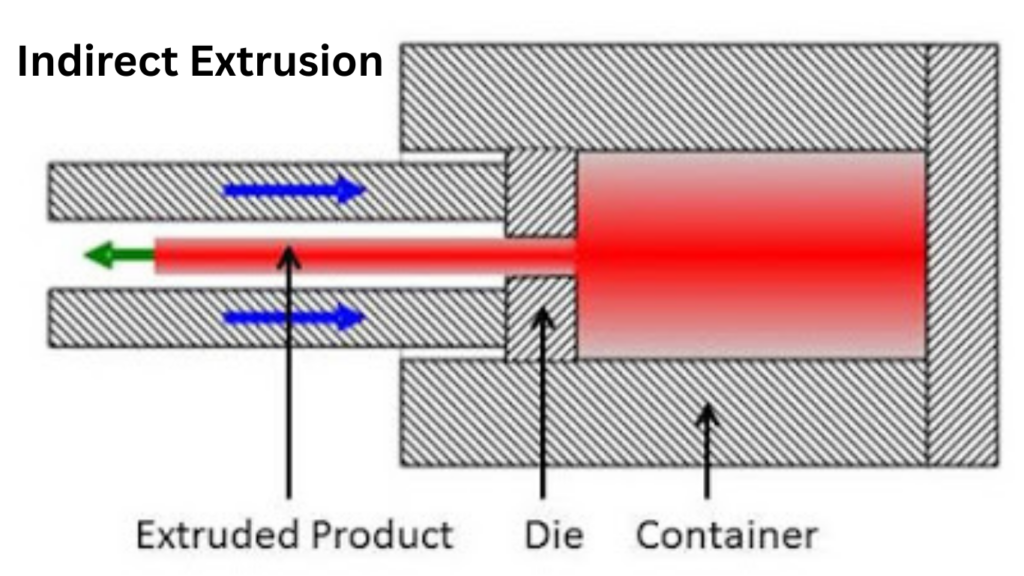
Backward extrusion is a metal forming process in which the metal flows in the opposite direction to the movement of
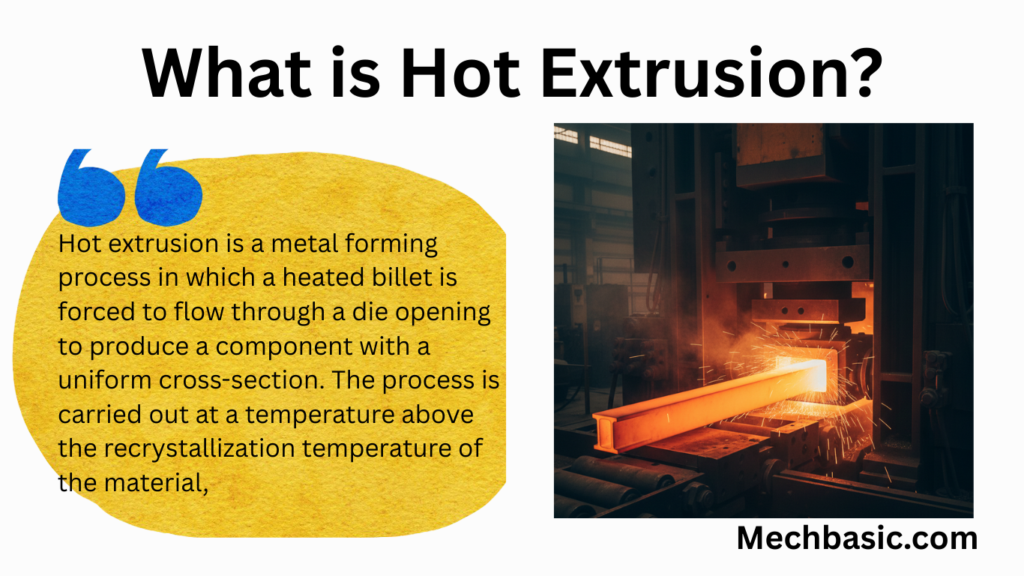
Hot extrusion is a metal forming process in which a heated metal billet is forced through a shaped die to
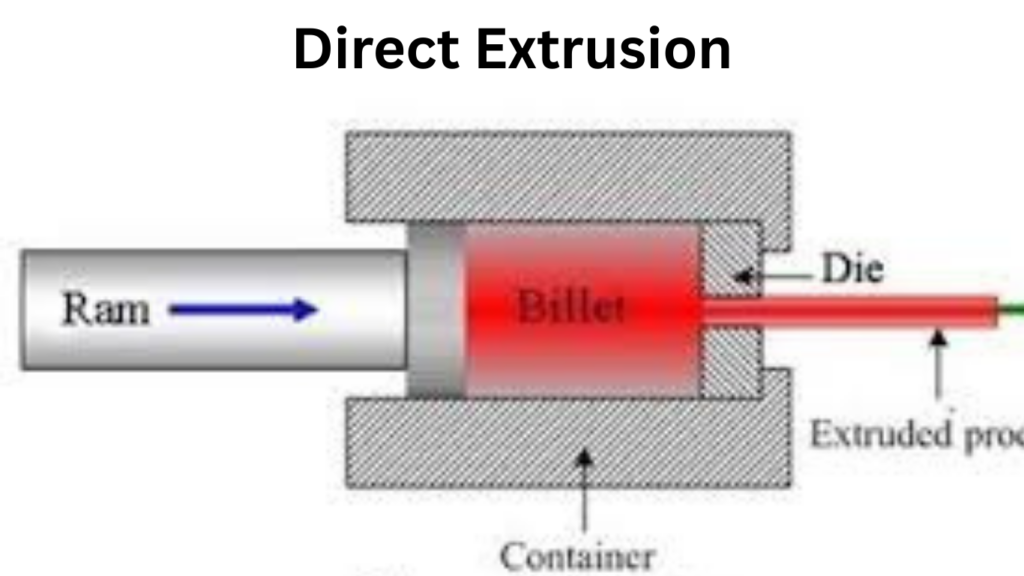
Direct extrusion, also known as forward extrusion, is a metal forming process in which a heated or cold billet is
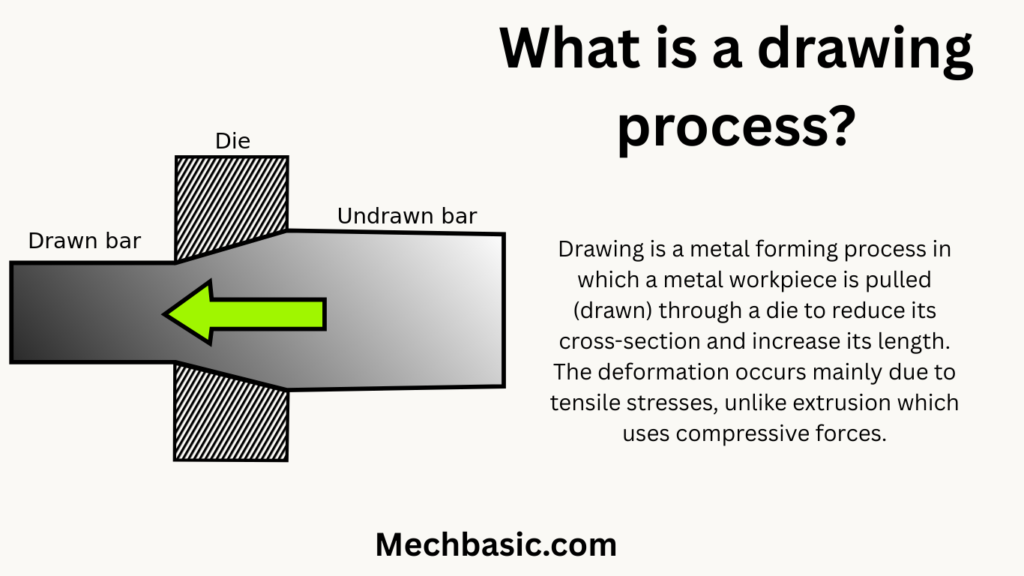
Drawing is a metal forming process in which a metal rod, wire, tube, or sheet is pulled through a die
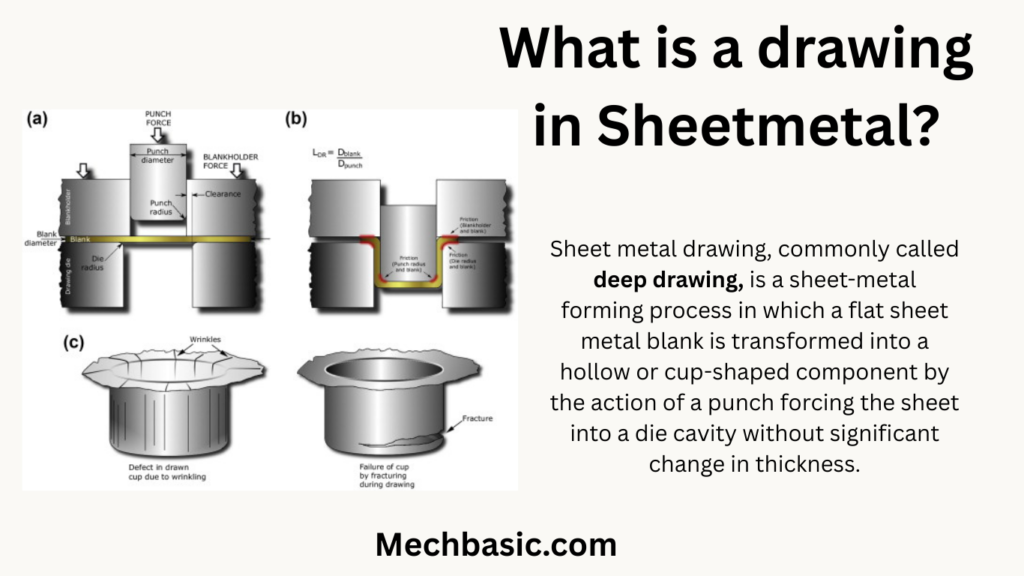
Deep drawing is a sheet metal forming process in which a flat metal blank is drawn into a die cavity
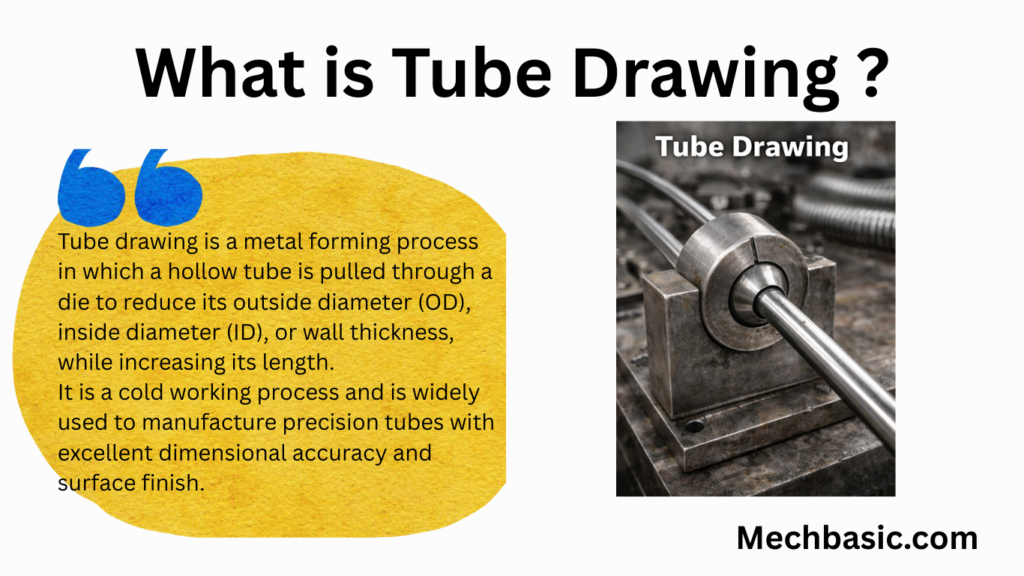
Tube Drawing is a metal forming process used to reduce the diameter and wall thickness of a tube by pulling
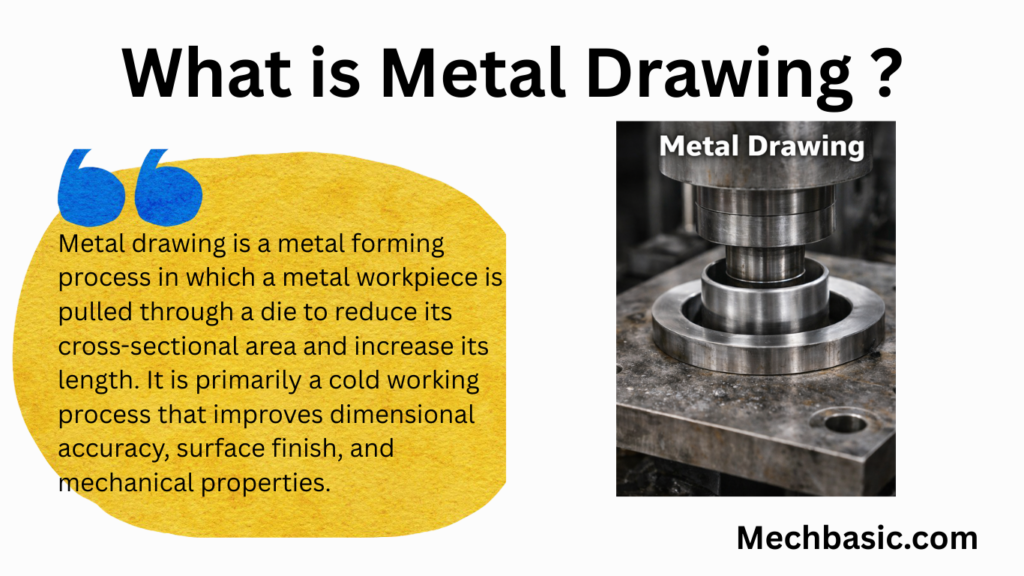
Metal Drawing Process is a metal forming operation in which a sheet metal blank is pulled into a die cavity
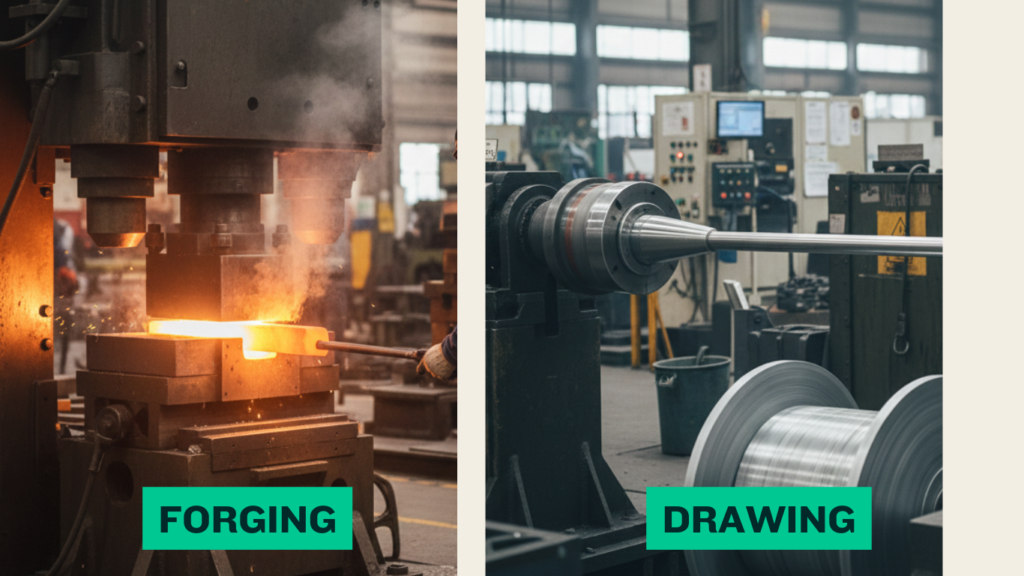
Metal forming processes are used to shape metals into desired sizes and shapes by applying mechanical forces. Among the most

Sheet metal operations are processes used to cut, bend, and shape thin metal sheets into required components.They are mainly classified




