
Tribology is the study of friction, wear, and lubrication between surfaces in contact.
It helps reduce friction and wear by using suitable lubricants and proper material selection.
Tribology improves the efficiency, performance, and lifespan of machines and mechanical components.
In this article:
Tribology: Friction, Wear, and Lubrication Principles
Tribology is the science and engineering of interacting surfaces in relative motion. It deals with friction, wear, and lubrication, which significantly affect the performance, efficiency, reliability, and lifespan of machines.
The word Tribology comes from the Greek word “tribos,” meaning rubbing. It is an interdisciplinary field involving mechanical engineering, materials science, chemistry, and physics.
Importance of Tribology
- Reduces energy losses due to friction.
- Increases machine life.
- Minimizes maintenance costs.
- Improves efficiency and reliability.
- Prevents premature component failure.
- Enhances product quality and performance.
Applications
- Automobile engines
- Bearings
- Gears
- Turbines
- Pumps
- Manufacturing machines
- Medical implants
- Aerospace components
- Wind turbines
1. Friction
Definition
Friction is the resisting force that opposes the relative motion or tendency of motion between two surfaces in contact.
It acts parallel to the contact surface and opposite to the direction of motion.
Causes of Friction
Friction occurs because of:
1. Surface Roughness
Even polished surfaces contain microscopic peaks called asperities.
When two surfaces touch, these asperities interlock.
2. Molecular Adhesion
Atoms at contact points attract each other, producing adhesive forces.
3. Surface Deformation
Soft materials deform under load, increasing resistance.
4. Ploughing Effect
Hard particles dig into softer materials causing additional friction.
Types of Friction
A. Static Friction
Occurs before motion starts.
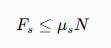
Where
- (F_s) = Static friction
- (\mu_s) = Coefficient of static friction
- (N) = Normal force
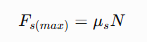
Maximum value
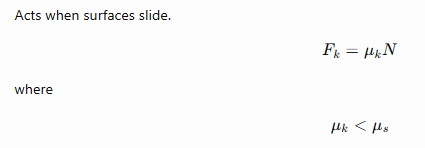
B. Kinetic (Sliding) Friction
C. Rolling Friction
Occurs when one body rolls over another.
Rolling friction is much smaller than sliding friction.
Example:
- Ball bearings
- Railway wheels
D. Fluid Friction
Occurs between layers of moving fluids.
Example:
- Oil flow
- Air resistance
Laws of Friction (Coulomb’s Laws)
- Friction is proportional to normal load.
- Independent of apparent contact area.
- Sliding friction is less than maximum static friction.
- Depends on surface condition.
Coefficient of Friction

Typical values
| Material Pair | Coefficient |
|---|---|
| Steel-Steel (Dry) | 0.6–0.8 |
| Steel-Steel (Lubricated) | 0.05–0.15 |
| Rubber-Road | 0.7–1.0 |
| Ice-Steel | 0.03 |
Advantages of Friction
- Walking
- Braking
- Belt drives
- Power transmission
- Fastening using screws
Disadvantages
- Heat generation
- Wear
- Noise
- Energy loss
- Reduced efficiency
2. Wear
Definition
Wear is the gradual removal or deformation of material from solid surfaces due to mechanical action.
Wear eventually causes machine failure if not controlled.
Types of Wear
A. Adhesive Wear
Occurs when two surfaces stick together.
Material transfers from one surface to another.
Examples
- Bearings
- Pistons
B. Abrasive Wear
Occurs when harder particles scratch softer surfaces.
Examples
- Sand in machinery
- Grinding
C. Corrosive Wear
Combination of corrosion and mechanical wear.
Common in marine equipment.
D. Surface Fatigue Wear
Repeated cyclic loading causes cracks.
Examples
- Bearings
- Gear teeth
E. Erosive Wear
Occurs due to solid or liquid particles striking a surface.
Examples
- Turbine blades
- Pipelines
F. Fretting Wear
Occurs due to very small oscillatory motion.
Examples
- Bolted joints
- Couplings
Factors Affecting Wear
- Load
- Sliding speed
- Surface roughness
- Temperature
- Lubrication
- Material hardness
- Environment
Wear Measurement
Common methods include
- Weight loss
- Volume loss
- Thickness reduction
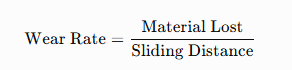
- Wear rate
Wear rate
Archard’s Wear Equation
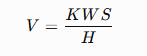
Where
- V = Wear volume
- K = Wear coefficient
- W = Load
- S = Sliding distance
- H = Hardness
Greater hardness reduces wear.
Methods to Reduce Wear
- Proper lubrication
- Surface hardening
- Better materials
- Heat treatment
- Surface coatings
- Reduce load
- Better alignment
3. Lubrication
Definition
Lubrication is the process of introducing a lubricant between moving surfaces to reduce friction and wear.
Functions of Lubricants
- Reduce friction
- Reduce wear
- Remove heat
- Prevent corrosion
- Seal clearances
- Reduce noise
- Clean contaminants
- Increase machine life
Types of Lubricants
A. Liquid Lubricants
Examples
- Mineral oil
- Synthetic oil
- Vegetable oil
Applications
- Engines
- Gearboxes
- Compressors
B. Grease
Semi-solid lubricant.
Advantages
- Stays in place
- Good sealing
- Less leakage
Applications
- Bearings
- Electric motors
C. Solid Lubricants
Examples
- Graphite
- Molybdenum disulfide (MoS₂)
- PTFE (Teflon)
Used where oils cannot survive.
D. Gas Lubricants
Air or inert gases.
Applications
- Precision instruments
- High-speed turbines
Properties of Good Lubricants
- Proper viscosity
- High viscosity index
- High flash point
- High fire point
- Low pour point
- Oxidation resistance
- Thermal stability
- Anti-corrosion property
- Good film strength
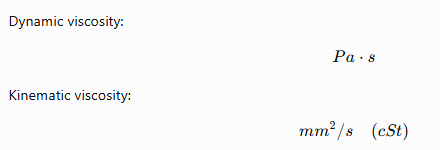
Viscosity
Viscosity is the resistance of a fluid to flow.
Higher viscosity means thicker oil.
Units
Lubrication Regimes
1. Hydrodynamic Lubrication
A full oil film separates surfaces.
Characteristics
- Lowest wear
- Lowest friction
- No metal contact
Applications
- Journal bearings
2. Boundary Lubrication
Very thin lubricant film.
Metal contact occurs.
Occurs during
- Start-up
- Shutdown
- Heavy loads
Uses additives to reduce wear.
3. Mixed Lubrication
Combination of hydrodynamic and boundary lubrication.
Some asperities touch.
Common in automotive engines.
4. Elastohydrodynamic Lubrication (EHL)
Occurs in
- Rolling bearings
- Gear teeth
High pressure increases lubricant viscosity and elastically deforms the contacting surfaces, forming a protective film.
Stribeck Curve
The Stribeck Curve illustrates how the coefficient of friction changes with lubrication conditions (often represented by the parameter (\eta V/P), where (\eta) is viscosity, (V) is speed, and (P) is load).
- Boundary lubrication: High friction due to significant surface contact.
- Mixed lubrication: Friction decreases as a partial lubricant film develops.
- Hydrodynamic lubrication: Lowest friction because a full fluid film separates the surfaces.
This curve helps engineers select lubricants and operating conditions to achieve efficient, low-wear operation.
Also read : Stribeck curve
Lubrication Methods
- Splash lubrication
- Pressure lubrication
- Mist lubrication
- Wick lubrication
- Drip lubrication
- Oil bath lubrication
- Grease lubrication
Additives in Lubricants
Common additives include:
- Anti-wear additives
- Extreme-pressure (EP) additives
- Antioxidants
- Rust inhibitors
- Detergents
- Dispersants
- Foam inhibitors
- Viscosity index improvers
Friction, Wear, and Lubrication Relationship
| Friction | Wear | Lubrication |
|---|---|---|
| Opposes motion | Material loss | Reduces friction and wear |
| Produces heat | Damages surfaces | Forms a protective film |
| Decreases efficiency | Reduces component life | Improves efficiency |
| Increases power consumption | Causes failures | Extends machine life |
Industrial Applications
- Automobile Engines: Lubricating oil reduces piston-cylinder friction and wear.
- Rolling Bearings: Grease or oil prevents overheating and prolongs bearing life.
- Gearboxes: Extreme-pressure lubricants protect gear teeth under heavy loads.
- Machine Tools: Proper lubrication ensures precision and reduces maintenance.
- Aerospace Systems: Specialized lubricants operate under extreme temperatures and pressures.
- Wind Turbines: Lubrication improves gearbox reliability and minimizes downtime.
Advantages of Proper Tribology
- Reduces friction losses
- Improves energy efficiency
- Extends equipment life
- Lowers maintenance costs
- Reduces downtime
- Enhances reliability
- Improves safety
- Supports sustainable operation by reducing energy consumption and material waste
Summary
Tribology is the study of friction, wear, and lubrication in interacting surfaces. Friction resists motion and causes energy losses, wear removes material and degrades components, while lubrication minimizes both by forming protective films between surfaces. Understanding tribological principles enables engineers to design more efficient, reliable, and durable machines across industries such as automotive, aerospace, manufacturing, and energy. Proper selection of materials, lubricants, and operating conditions is essential for maximizing machine performance and service life.
Other courses:





