
The weight a rivet can hold depends on its size, material, and type.
Small rivets may hold a few kilograms, while large structural rivets can hold hundreds or more.
Load capacity also depends on how many rivets are used and the joint design.

In this article:
The amount of weight a rivet can hold is not a single fixed value—it depends on several factors like material, diameter, type of load (shear or tension), and installation quality. But we can understand it clearly using engineering principles and typical values.
How Rivet Strength is Measured
Rivets mainly carry load in two ways:
1. Shear Strength (Most Important)
- Load acting sideways across the rivet
- This is the primary mode in most structures
2. Tensile Strength
- Load trying to pull the rivet apart
- Usually less critical than shear
Basic Strength Formula (Shear)
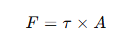
Where:
- (F) = load the rivet can carry
- (\tau) = shear strength of material
- (A) = cross-sectional area of rivet
Typical Load Capacities (Approximate)
Small Aluminium Rivet (e.g., 1/8 inch / size 4)
- Shear strength: ~100–150 MPa
- Load capacity:
👉 ~300 to 500 N (≈ 30–50 kg)
Steel Rivet (same size)
- Shear strength: ~250–400 MPa
- Load capacity:
👉 ~800 to 1500 N (≈ 80–150 kg)
Large Structural Rivets
- Can hold:
👉 Several tons per rivet
Factors Affecting Rivet Strength
1. Diameter of Rivet
- Strength ∝ area (d²)
- Larger diameter → much stronger
2. Material
- Steel > Aluminium > Copper
- Titanium → strongest (but expensive)
3. Type of Load
- Shear → rivets perform best
- Tension → weaker
4. Number of Rivets
- Total strength = sum of all rivets
- Example:
- 10 rivets × 500 N = 5000 N total
5. Joint Design
- Single shear vs double shear
- Plate thickness
- Edge distance
6. Installation Quality
- Poorly installed rivets are much weaker
- Loose rivets reduce strength drastically
Failure Modes
Rivets can fail by:
- Shearing off
- Crushing the plate
- Tearing the plate
- Pull-out (tension failure)
Real-World Examples
- Aircraft: thousands of rivets share loads → very high total strength
- Bridges: large steel rivets carry heavy structural loads
- Cars: rivets hold panels, not heavy structural loads
Summary:
👉 A single small rivet may only hold tens of kilograms,
but many rivets together can hold tons of load.
Conclusion:
The load a rivet can carry depends on its material, size, and loading conditions. Small rivets may hold a few hundred newtons, while large structural rivets can carry several tons.
Other courses:





